Waterproofing is one of those things no one thinks about until an obvious moisture problem appears — a ceiling stain, peeling paint, a persistent musty smell. By that point, real damage has already begun. This guide explains why waterproofing is essential prevention, not a luxury, especially in the UAE's climate, and how professional treatment works.
Why Your Home Needs Good Waterproofing
Moisture and water, if they find their way inside walls or under floors, cause cumulative damage well beyond appearance — gradual paint and finish deterioration, potential mold growth, and in prolonged cases, an impact on the structure's own durability. Good waterproofing is the first line of defense against all of this, and needs periodic review, not a one-time installation that gets forgotten afterward.
The Areas Most Exposed to Moisture Problems
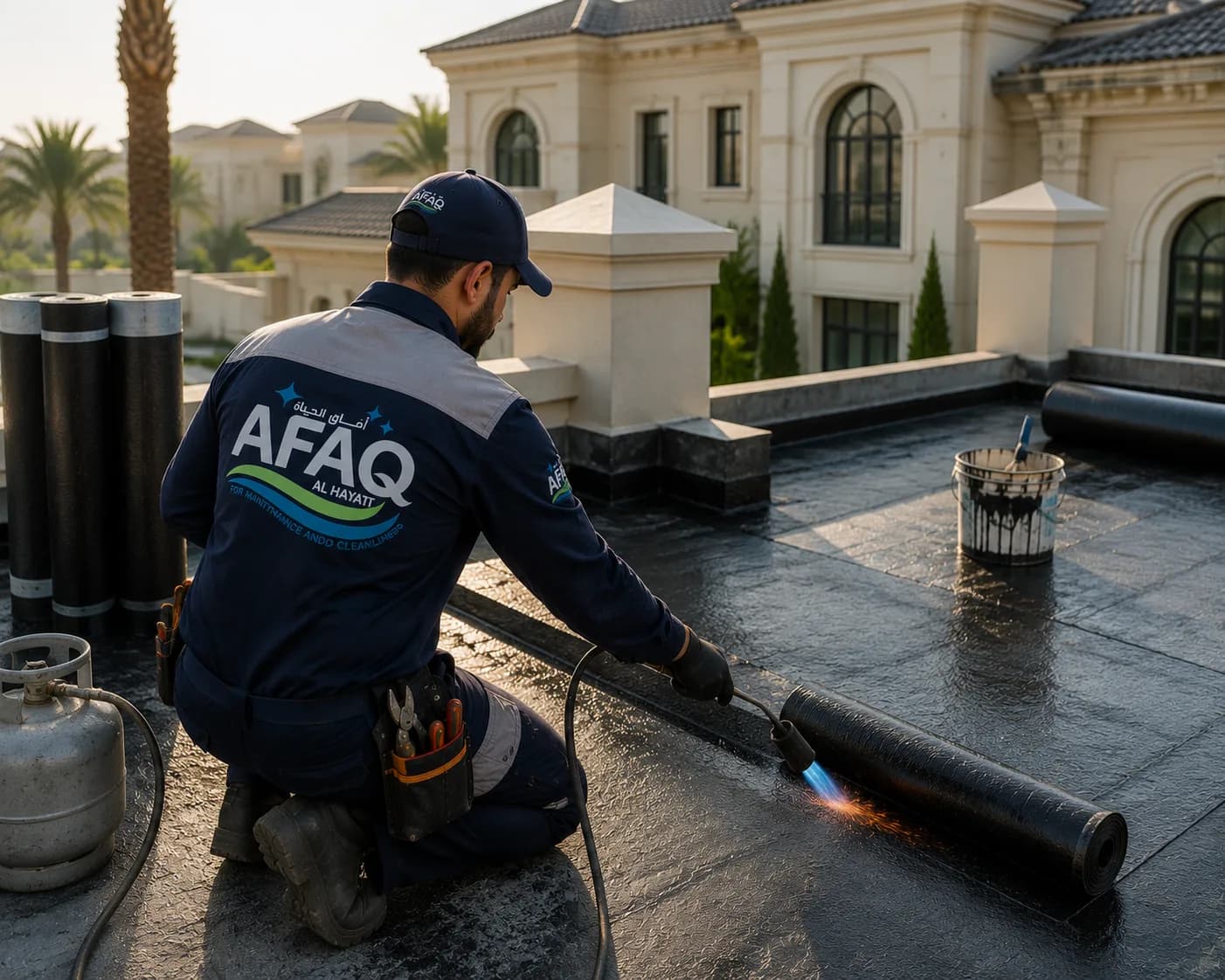
- Rooftops (especially villa roofs): directly exposed to seasonal rain and significant temperature swings.
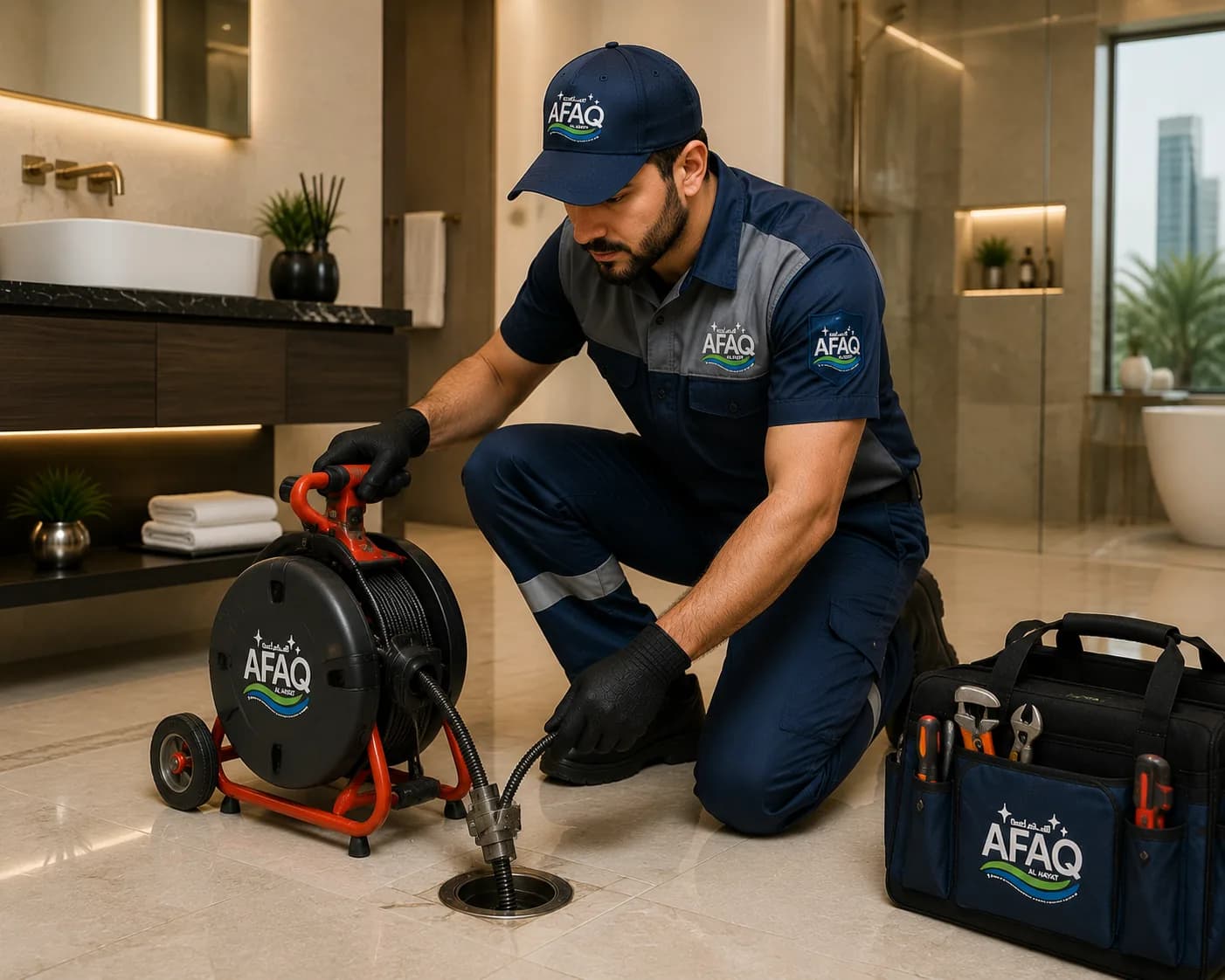
- Bathrooms: constant water exposure makes them one of the most sensitive areas to failed waterproofing.
- Kitchens: especially around sinks and dishwashing areas.
- Balconies: directly exposed to rain and outdoor moisture.
Signs Your Current Waterproofing Has Failed
- Damp patches or discoloration on walls or ceilings, especially after rain.
- Paint peeling or bubbling with no other obvious cause.
- A persistent musty smell in a specific area.
- Recurring seasonal leaks in roughly the same spot every year.
How Professional Waterproofing Works
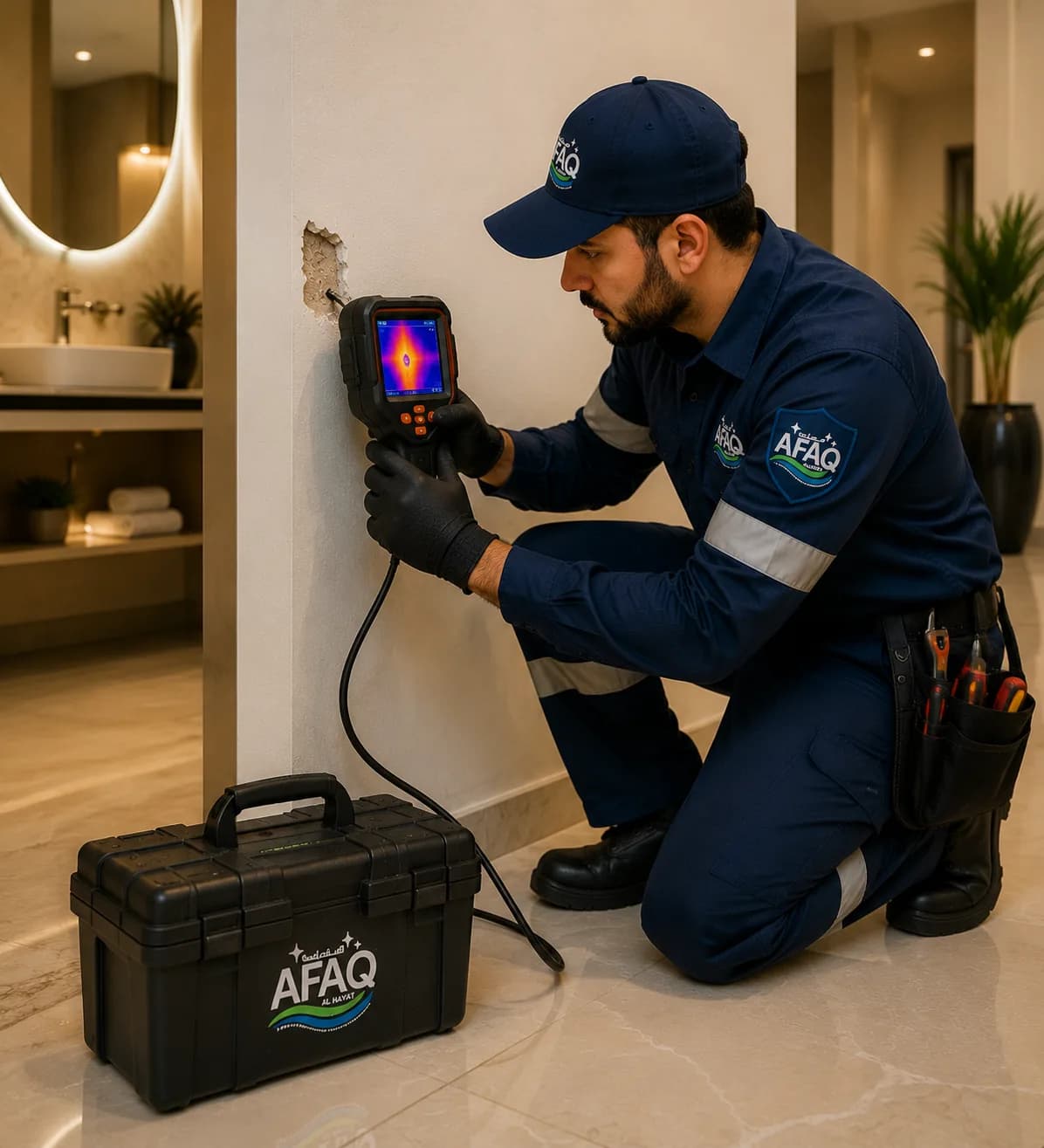
1. Area Inspection
Accurately identifying the actual source of the problem and the type of surface that needs waterproofing.
2. Surface Preparation
Cleaning and preparing the target surface to ensure waterproofing materials adhere correctly and effectively.
3. Applying Approved Waterproofing Materials
The appropriate layers are applied based on surface type and exposure conditions (an exterior roof vs. an interior bathroom, for example).
4. Final Check
Confirming full coverage and no remaining weak points before considering the work complete.