

General Maintenance
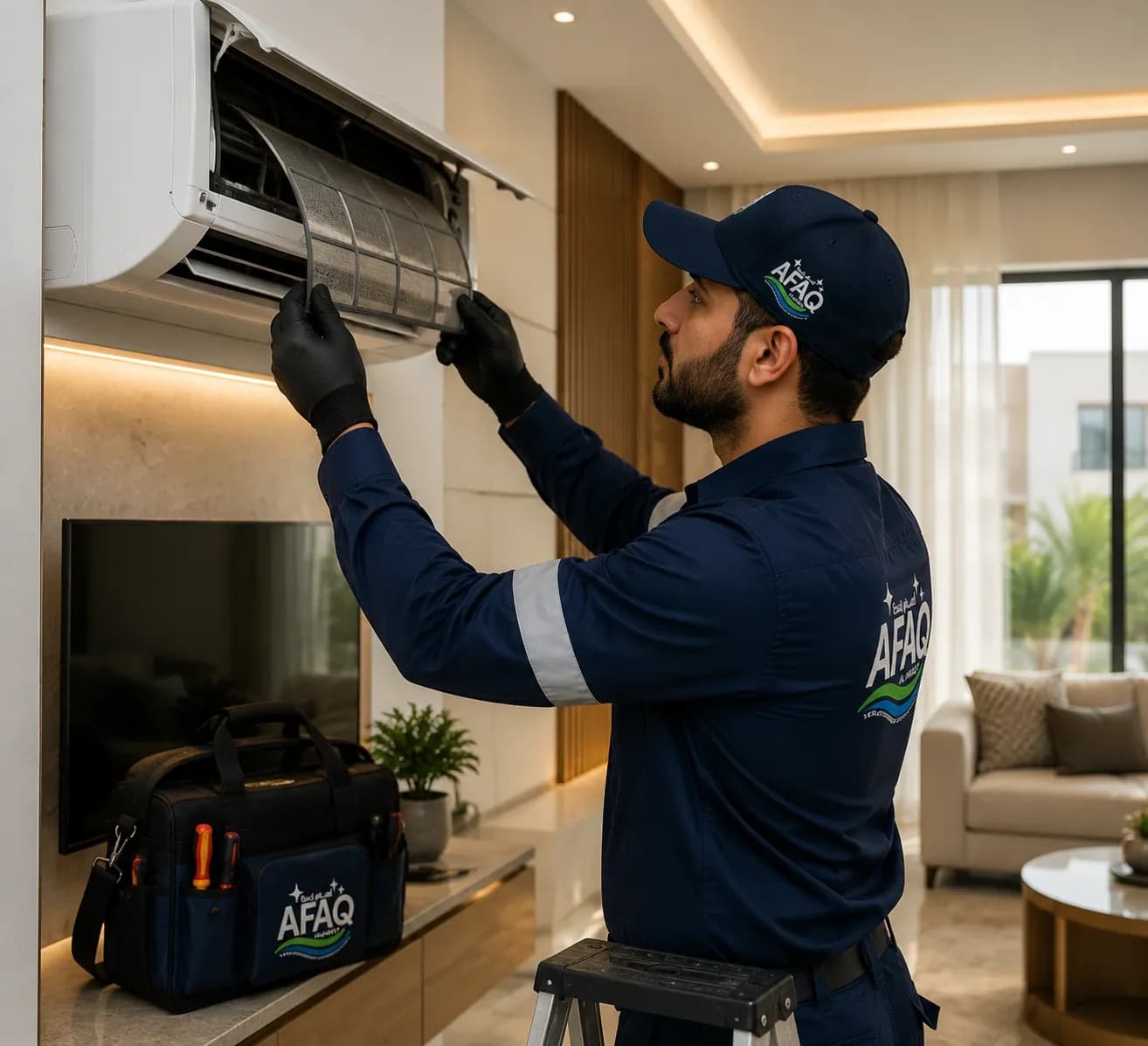
Signs Your AC Needs Maintenance Before Summer
Weak airflow, strange noises, and rising bills are early warning signs. Here's what to check before the peak-heat season puts real strain on your system.
Read articleGeneral Maintenance

"Do I wait until something breaks, or inspect my home regularly?" is a question every homeowner faces sooner or later. The right answer isn't choosing just one type — it's understanding the difference between them and when your home needs each. This guide clarifies the difference and helps you build the right balance.
Routine maintenance is a scheduled, preventive check aimed at catching any potential issue before it escalates — like a seasonal AC check before summer, or a general plumbing and electrical check once or twice a year.
Emergency maintenance is a fast response to an actively existing problem that needs urgent attention — like an active water leak, or a complete power outage affecting part of the home.
A home that only reacts when a problem occurs, with no preventive checks, usually faces bigger, costlier breakdowns when they finally appear — because the problem has been building unnoticed for a while. Emergencies also tend to strike at inconvenient times, adding more disruption and pressure compared to a pre-scheduled routine visit.
The most effective strategy is a core routine maintenance plan covering the main areas of the home (AC, plumbing, electrical) on a regular basis, while keeping the ability to respond quickly if a genuine emergency occurs despite all that prevention. This balance reduces the likelihood of emergencies in the first place, without pretending they'll never happen at all. See our complete maintenance guide for more on building an integrated plan.
Is every sudden problem an emergency?
Not necessarily — some sudden issues (like a faucet that suddenly starts dripping) can wait for a nearby appointment, while others (an active leak, a complete power outage) need an immediate response.
Can a routine plan and emergency response be combined?
Yes, that's exactly the most effective approach — a core routine plan combined with the ability to respond quickly when genuinely needed.
Tell us what's going on and we'll follow up with a plan and a quote.
General Maintenance
Weak airflow, strange noises, and rising bills are early warning signs. Here's what to check before the peak-heat season puts real strain on your system.
Read article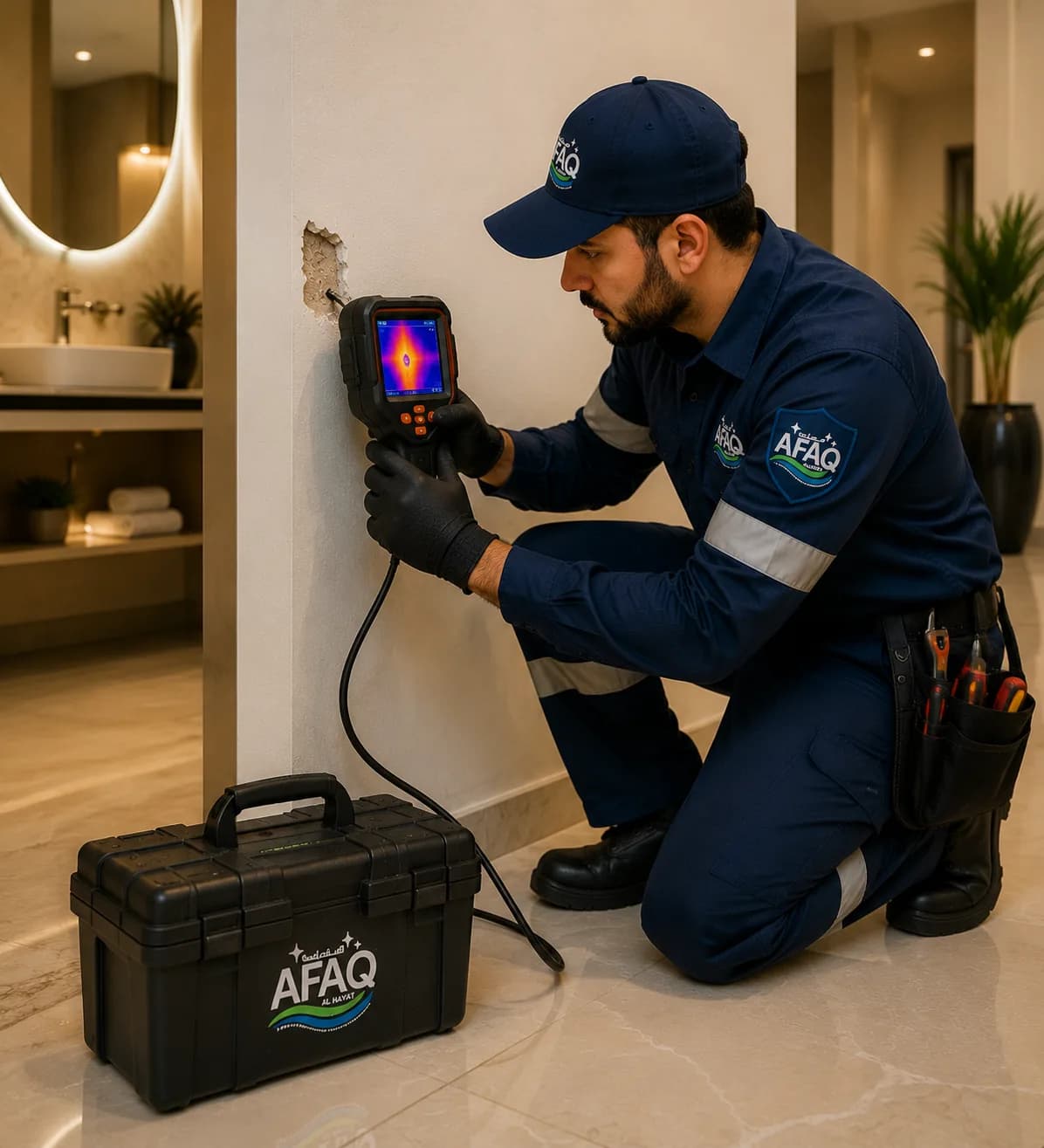
General Maintenance
A leak behind a wall or under a floor can go unnoticed for weeks. These are the practical signs worth checking regularly.
Read article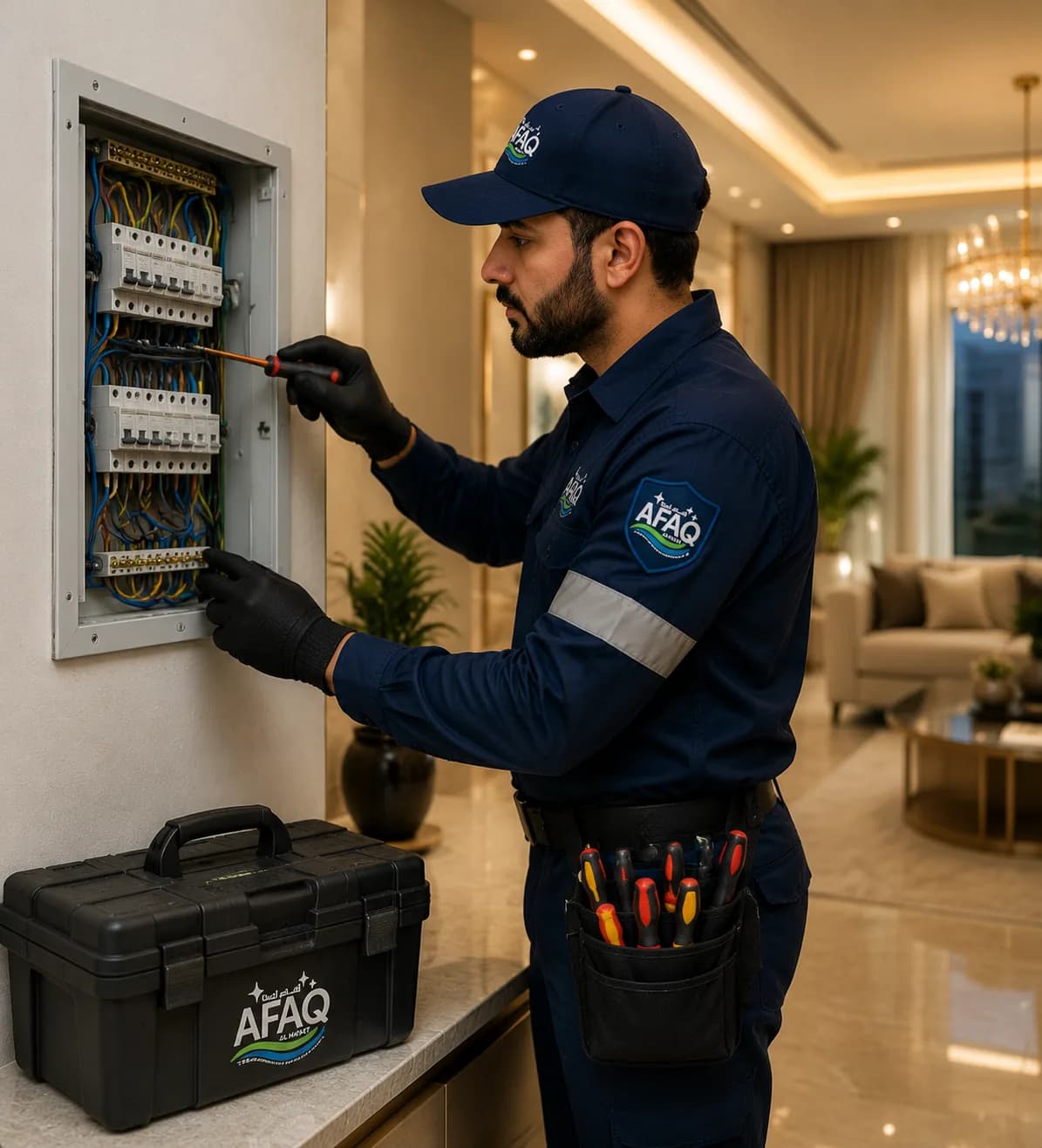
General Maintenance
Flickering lights and warm outlets aren't just minor annoyances — they can point to a real electrical issue. Here's what to watch for.
Read articleWe use a strictly necessary cookie to keep you signed in. With your permission, we may also use analytics cookies to understand how this site is used. See our Cookie Policy for details.