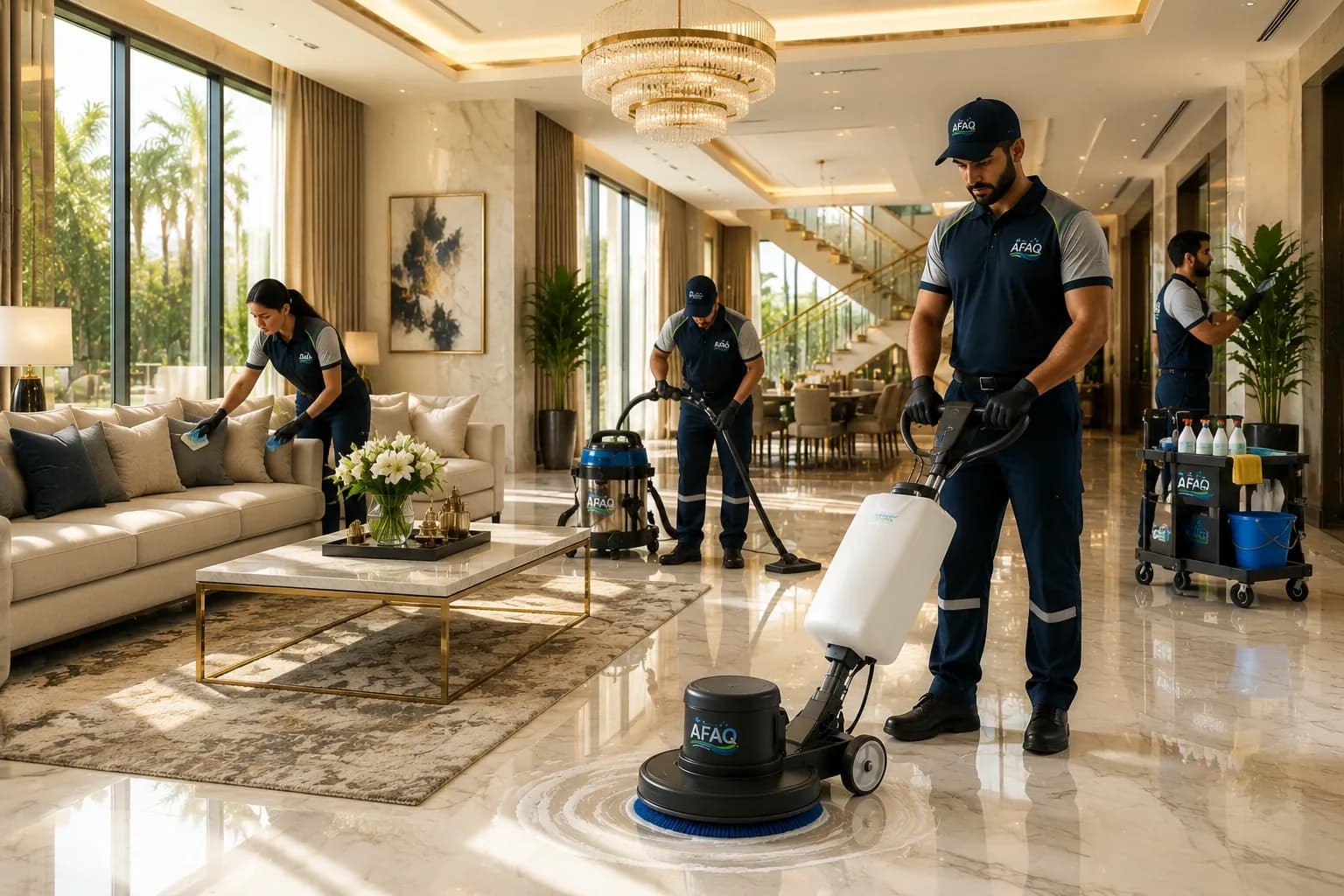
The difference between a home that stays in good shape for years and one facing recurring problems usually isn't how much is spent on maintenance — it's a set of simple daily habits. This guide offers 10 practical tips to help keep your home in its best condition, without needing much extra effort or time.
Why Small Daily Habits Make a Big Difference
Most major home problems start small — a minor leak, accumulated dust, a bit of neglected ventilation. Simple daily habits don't solve every problem, but they catch early signs and prevent many issues from escalating in the first place — a real difference over the long run.
10 Practical Tips
1. Clean AC filters regularly: clean filters mean better cooling efficiency and lower energy use. See our AC Maintenance guide for more. 2. Check kitchens and bathrooms for leaks periodically: an undetected small leak can escalate quickly. 3. Ventilate rooms regularly to reduce humidity: especially kitchens and bathrooms, to reduce moisture and mold risk. 4. Seal off food sources for pests: uncovered food or unsealed trash is one of the most common reasons pests get in. 5. Visually check electrical outlets occasionally: any warmth or discoloration deserves an immediate check from a qualified technician. 6. Clean the water tank periodically: essential upkeep for the water you use every day. 7. Refresh paint and finishes periodically: protects walls from moisture and long-term damage. 8. Inspect used furniture before bringing it in: reduces the risk of unknowingly introducing pests like bed bugs. 9. Clean carpets and upholstery regularly: reduces dust and allergen buildup over time. 10. Schedule an annual full inspection: a general check covering every part of the home at least once a year catches issues early, before they escalate.
When a Daily Habit Turns Into an Actual Need for a Professional
These tips are complementary and preventive, not a substitute for regular professional maintenance. If you notice a clear sign (an active leak, an electrical fault, an actual pest problem), that's past the "daily habit" stage and needs direct professional attention.