


Cleaning & Pest Control
How Often Should You Deep Clean Different Areas of Your Home
Regular cleaning keeps a home tidy, but deep cleaning reaches what daily routines miss. Here's a realistic frequency guide, room by room.
Read articleCleaning & Pest Control
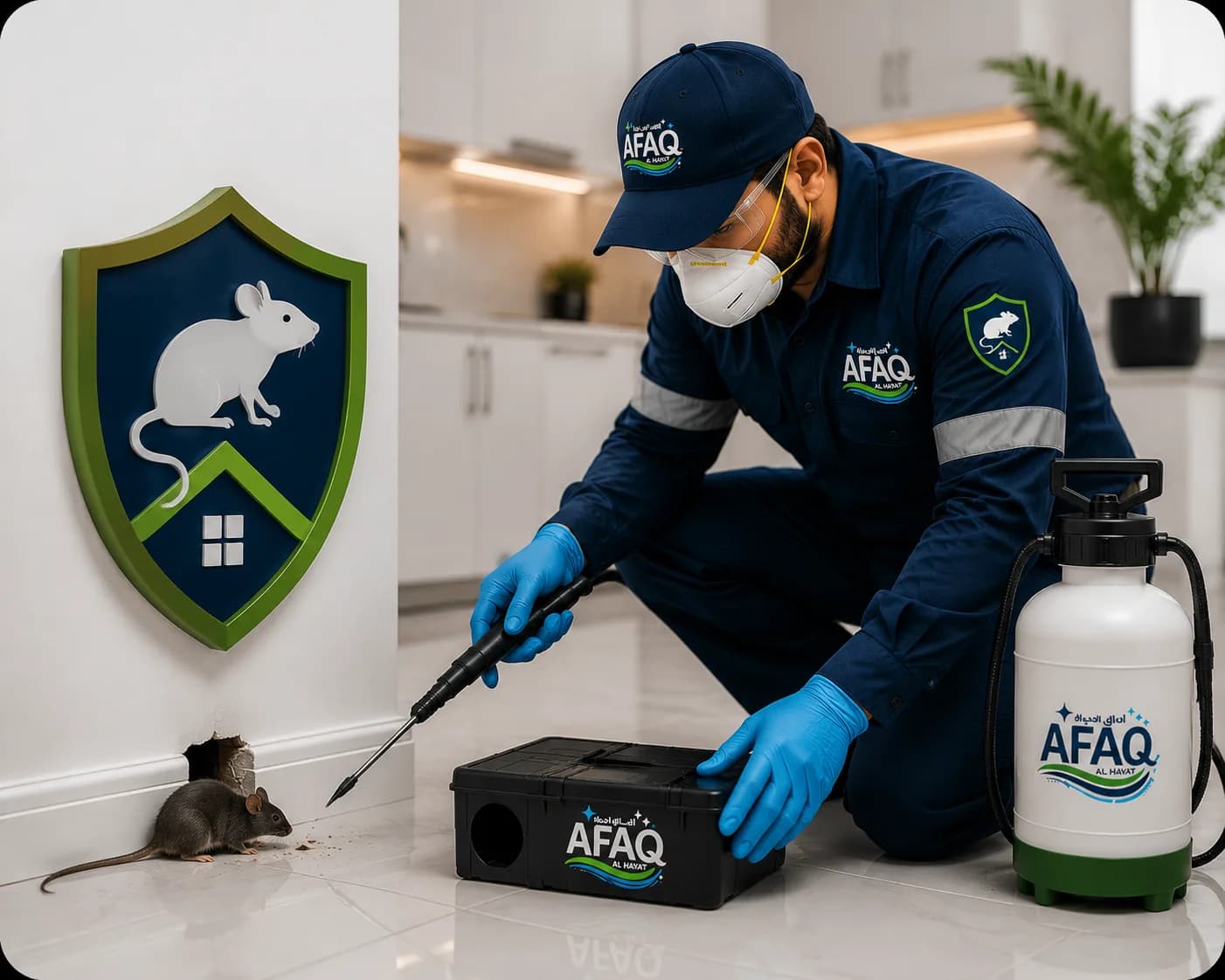
A faint scratching sound inside a wall at night, or an unexpected chew mark on an electrical wire — signs that might seem minor, but often point to rodents inside the home. This guide explains why rodents are both a health and structural issue at once, and how safe, professional control works.
Unlike many household pests, rodents combine two types of risk at once. On the health side, mice and rats carry general germs as they move between waste sources and home surfaces. On the structural side, they chew through electrical wiring, wooden furniture, and even some insulation materials, potentially causing costly damage — and in the case of electrical wiring, a genuine safety risk.
Household traps might catch one or two individuals, but they don't address the real source of the problem — the entry points rodents use to reach the home, or the larger population that may exist around the property. The common result: one or two individuals disappear, but the underlying problem continues unresolved.
The technician inspects the entire home to identify entry points and the actual extent of the infestation.
Precisely identifying the paths and gaps rodents use to access the home.
Appropriate control methods are applied with children or pets in the home in mind, following standard safety guidelines.
Sealing discovered gaps is recommended to reduce the chance of a similar problem returning later.
Do rodents actually transmit disease?
Rodents are generally recognized as a potential carrier of various germs through their movement between waste sources and home surfaces — an additional reason prompt treatment matters.
Is control safe if I have children or pets?
The technician takes children or pets into account when choosing the right treatment method, and explains any necessary precautions during and after treatment.
Tell us what's going on and we'll follow up with a plan and a quote.
Cleaning & Pest Control
Regular cleaning keeps a home tidy, but deep cleaning reaches what daily routines miss. Here's a realistic frequency guide, room by room.
Read article
Cleaning & Pest Control
By the time pests are visible during the day, an infestation is often already established. These are the quieter signs worth watching for.
Read article
Cleaning & Pest Control
The two terms get used interchangeably, but they cover different work. Here's how to tell which one your home actually needs.
Read articleWe use a strictly necessary cookie to keep you signed in. With your permission, we may also use analytics cookies to understand how this site is used. See our Cookie Policy for details.