A drain blockage is one of those problems that starts small — a bit of slow drainage — then suddenly worsens at the worst possible time. This guide covers the common causes of drain blockages, why DIY solutions sometimes fail to solve the problem at its root, and how professional unblocking works.
Common Causes of Drain Blockages
- Hair and grease buildup: among the most common causes of bathroom and kitchen drain blockages.
- Food residue: especially in kitchen drains without a proper strainer in use.
- Long-term sediment: gradually builds up inside pipes over months or years, unnoticed until it causes an actual blockage.
- Foreign objects: enter pipes accidentally and cause a sudden blockage.
Why DIY Solutions Sometimes Fail and Can Worsen the Problem
Household drain-opening chemicals may offer temporary relief, but repeated or improper use can damage older pipes or cause gradual corrosion that only shows its effects later. These products also often don't reach a full blockage deep inside the pipe — they open a partial path that blocks again quickly.
How Professional Unblocking Works
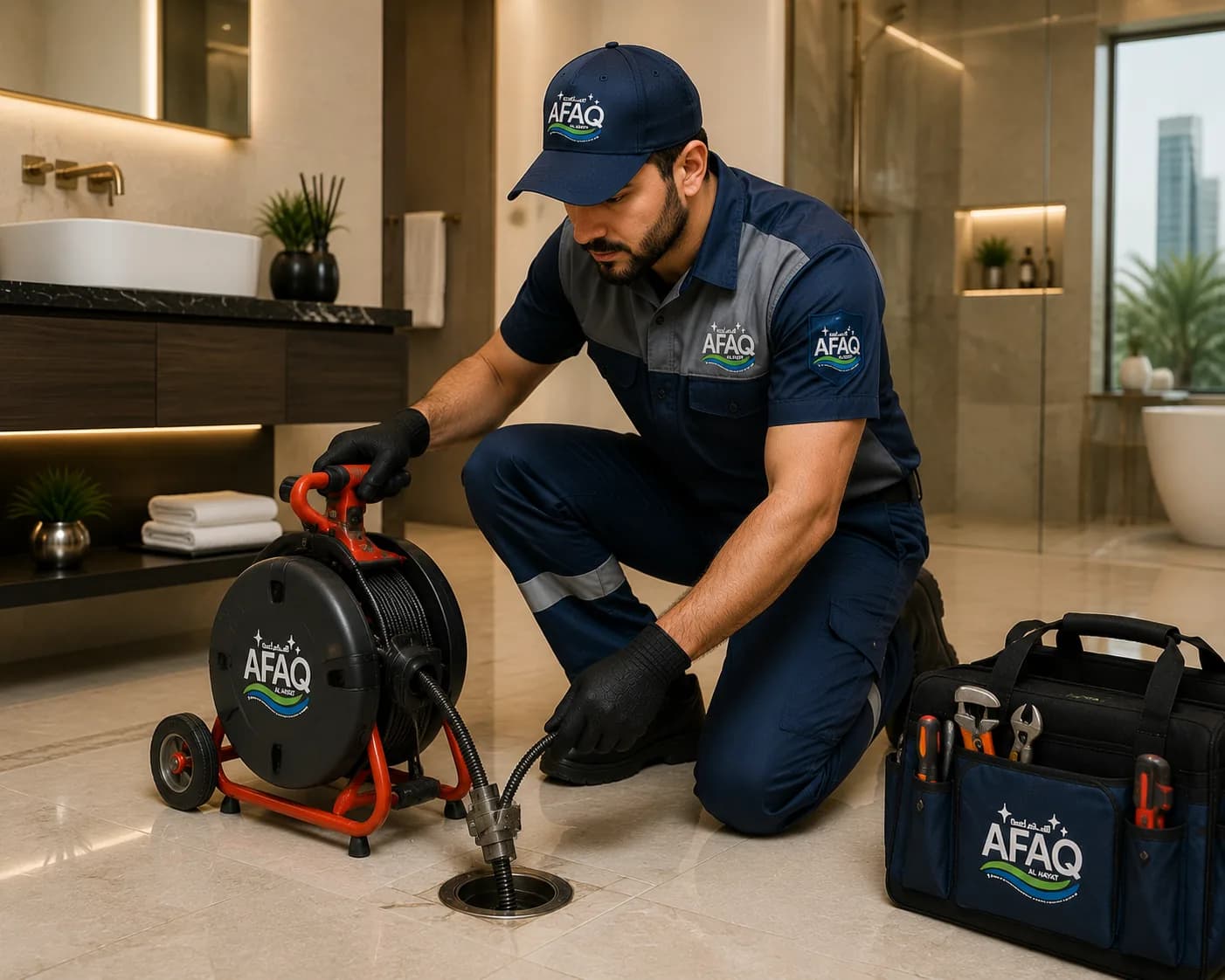
Professional unblocking uses specialized equipment that actually reaches the blockage location inside the pipe and fully removes it, not just opening a temporary partial path. This means a more stable result compared to temporary fixes, with reduced risk of pipe damage compared to unstructured chemical use.
When Recurring Blockages Point to a Deeper Issue
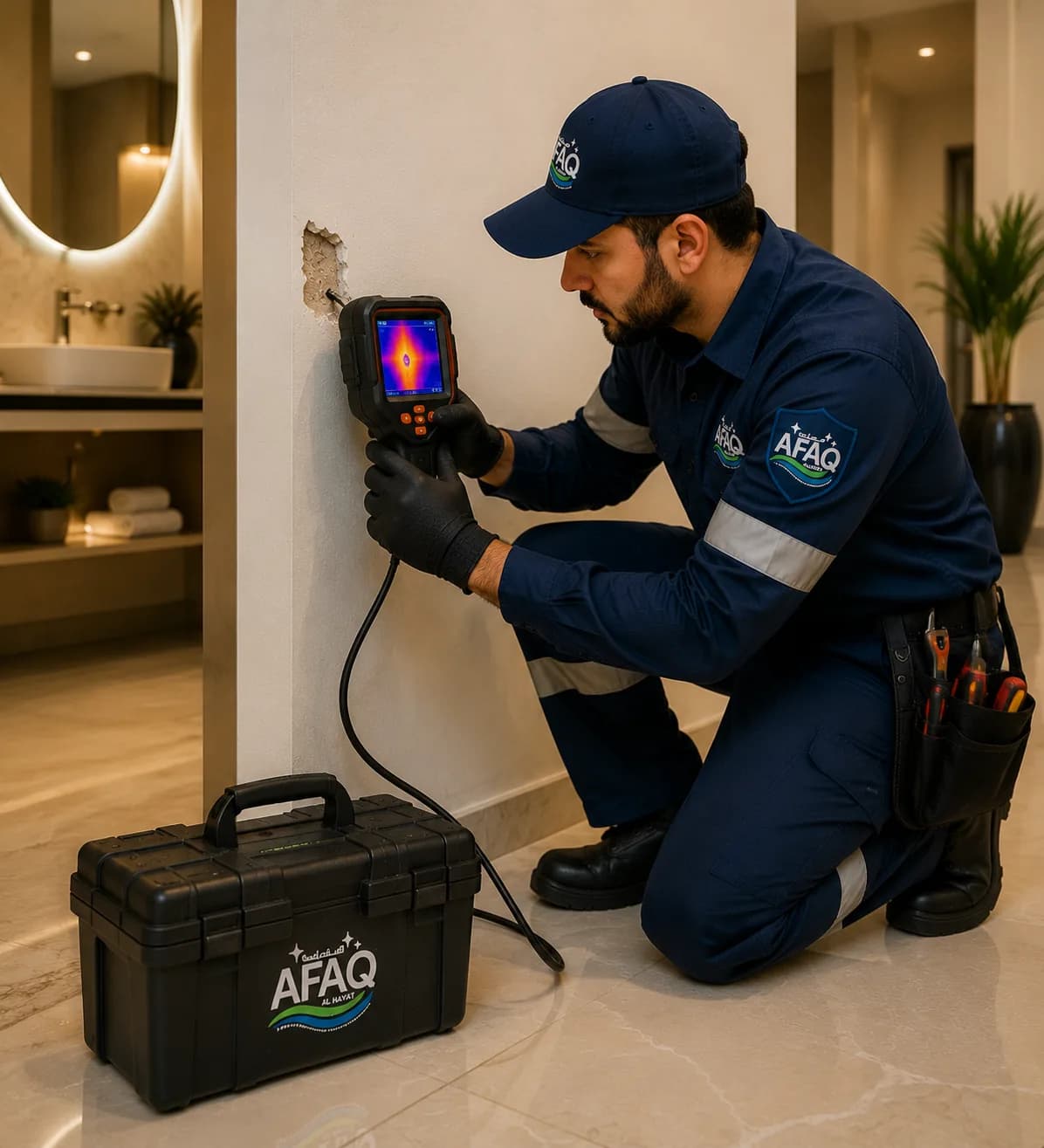
If a blockage recurs at the same spot despite repeated unblocking, this can indicate a deeper issue — a broken pipe, an incorrect slope preventing natural drainage, or, rarely, tree roots affecting outdoor pipes. These cases need a specialist inspection to identify the root cause, not repeated treatment of the symptom alone.