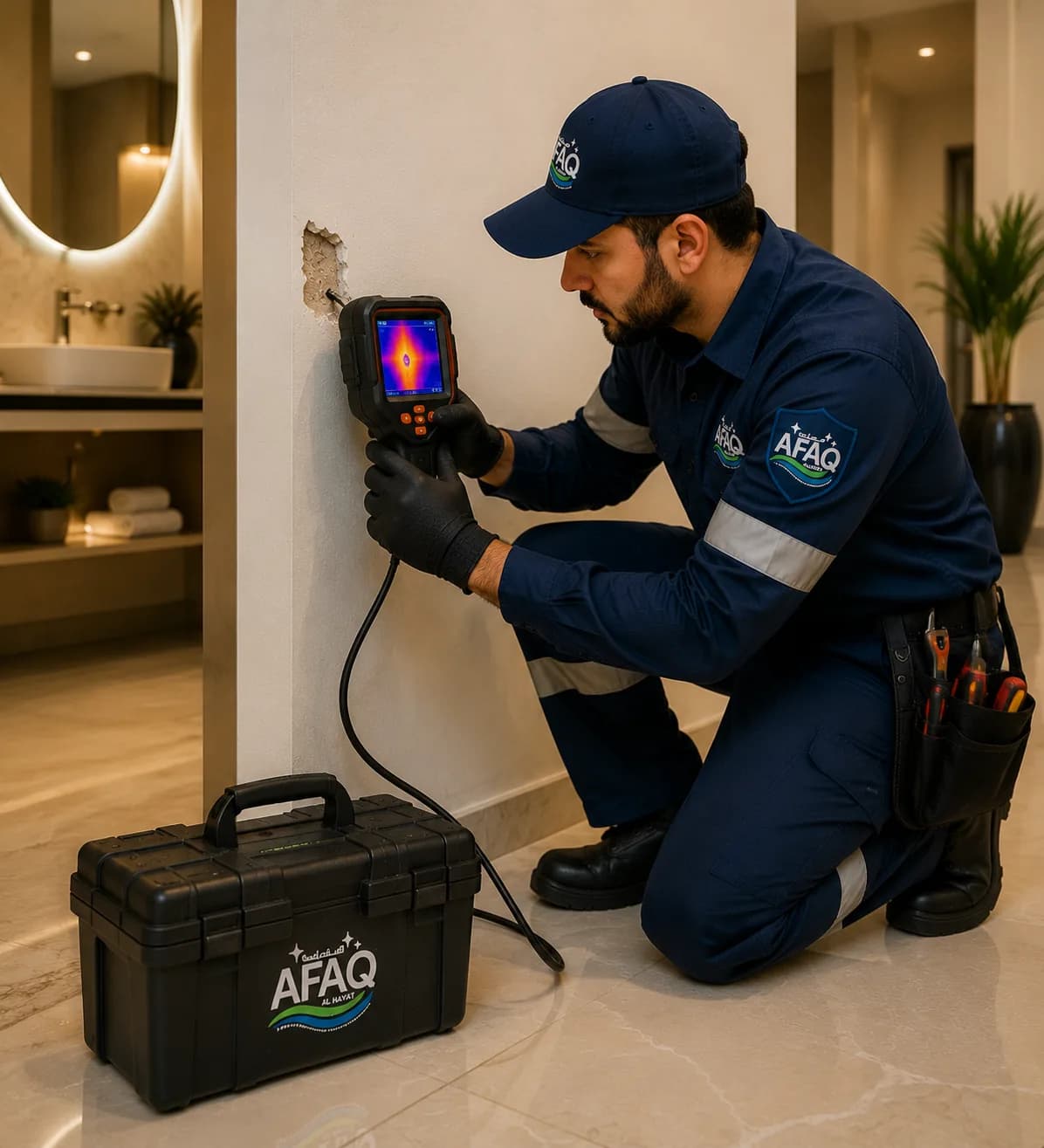
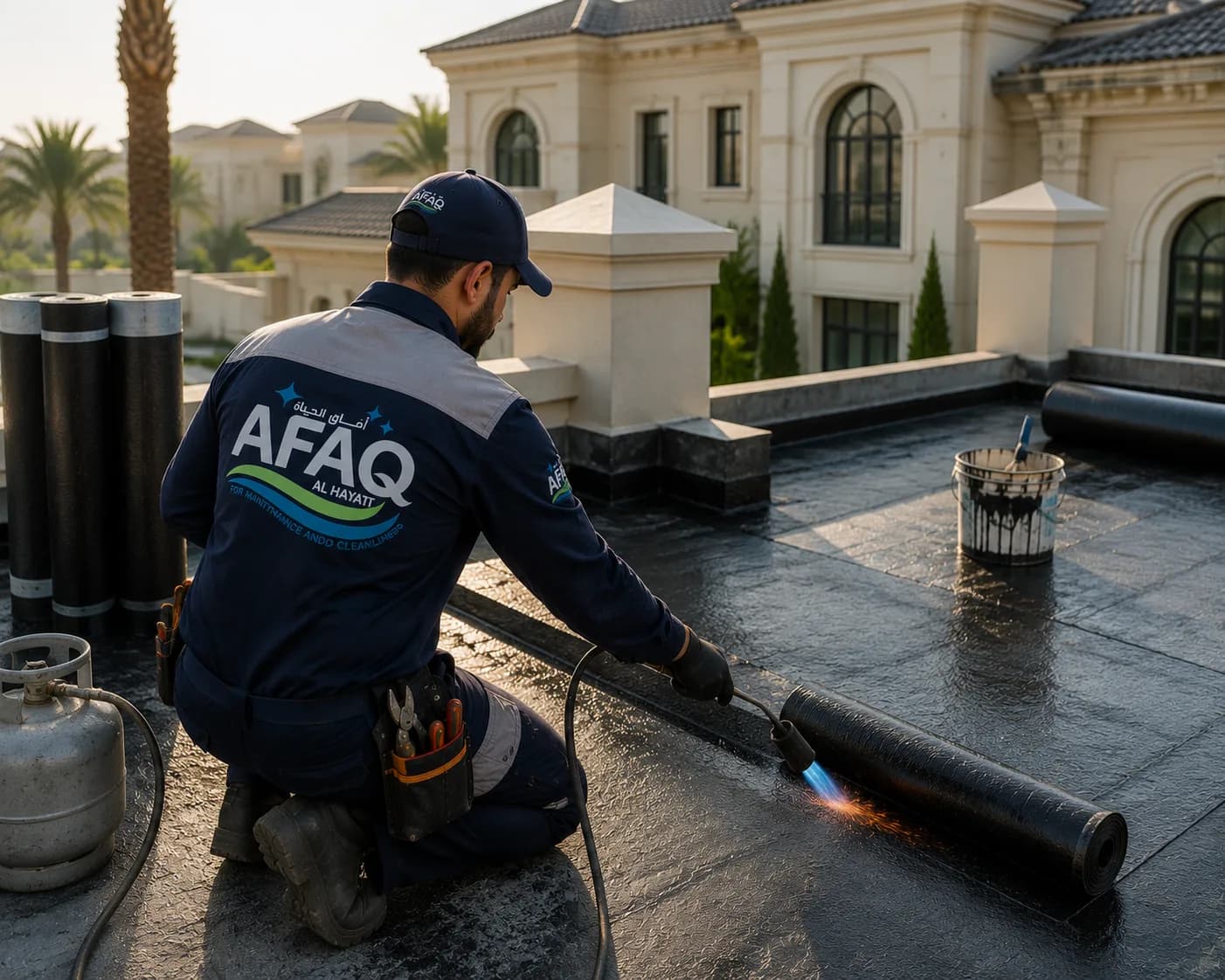
Not every water leak is as obvious as a puddle on the floor. The most dangerous leaks are the ones happening inside walls or under floors — building up silently for weeks or months, sometimes only discovered after real structural or paint damage appears. This guide explains how to catch a hidden leak early, and how modern detection technology works without extensive, unnecessary breaking.
Why Hidden Leaks Are More Dangerous Than Visible Ones
A visible leak (a dripping faucet, an exposed pipe) gets noticed and is usually addressed relatively quickly. A hidden leak, on the other hand, can sometimes continue for a long time before anyone knows it exists, causing cumulative damage — moisture inside walls, gradual structural wear, and potential mold growth — alongside continuous wasted water for no benefit.
Signs of an Invisible Water Leak
- An unexplained rise in the water bill with no clear change in usage pattern.
- Damp patches or discoloration on walls or ceilings.
- A persistent musty smell with no obvious source.
- A faint dripping sound inside walls or under floors.
- A slight, unexplained rise in the home's indoor humidity.
How Modern Detection Technology Works
Modern detection devices rely on specialized acoustic and thermal sensing technology to pinpoint a leak's location with relative precision, without randomly breaking into walls or floors searching for the source. An acoustic sensor listens for the sound of water leaking within pipes, while thermal sensing detects temperature differences caused by unusual moisture behind surfaces — guiding the technician to a specific spot instead of guesswork.
Why Early Detection Saves You Significant Repair Costs
The longer a leak goes undetected, the greater the cumulative damage — floor damage, paint deterioration, and in severe cases, potential impact on structural elements. Early detection means a limited-scope repair, while delay can mean a far bigger repair job later.