

Cleaning & Pest Control
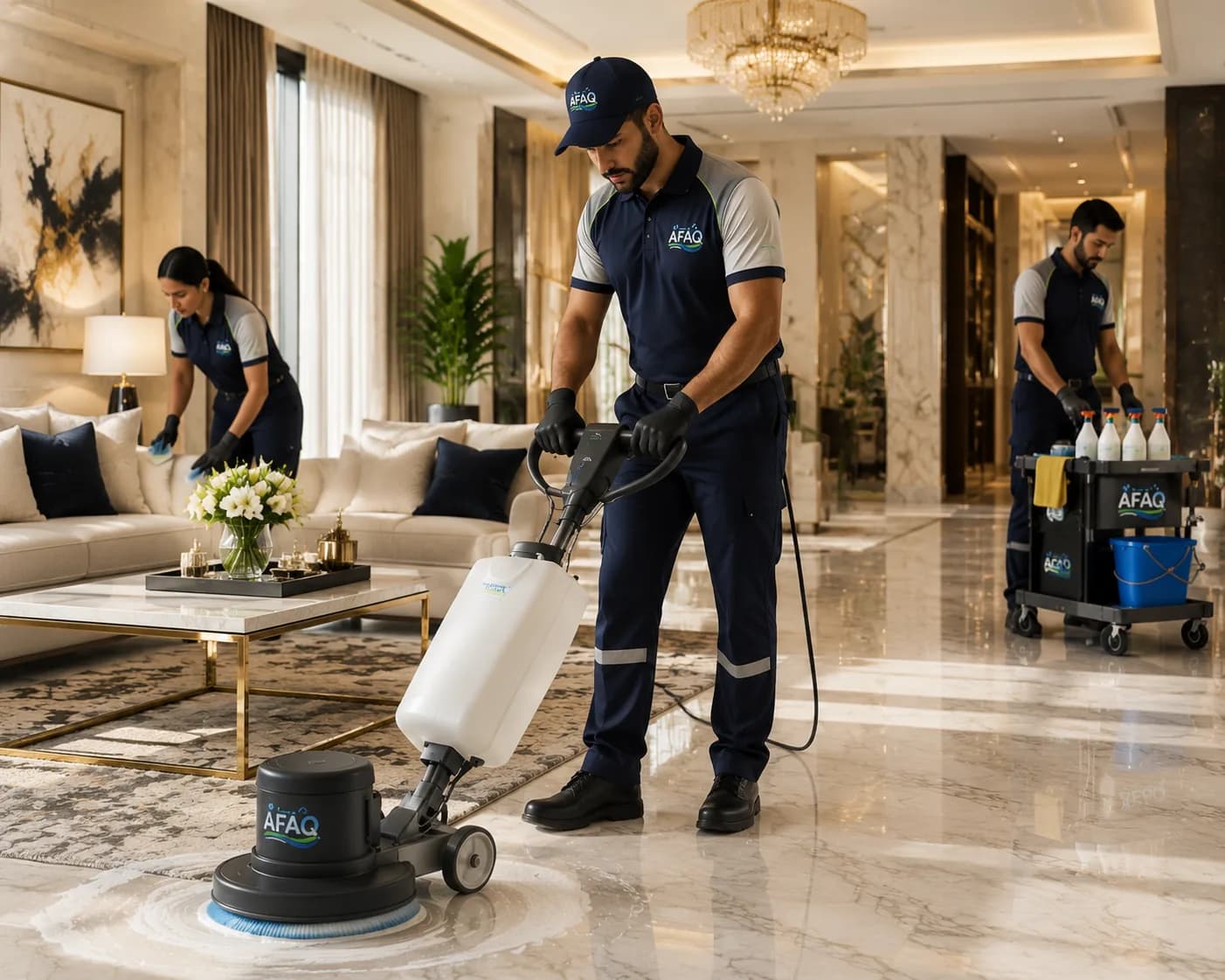
How Often Should You Deep Clean Different Areas of Your Home
Regular cleaning keeps a home tidy, but deep cleaning reaches what daily routines miss. Here's a realistic frequency guide, room by room.
Read articleCleaning & Pest Control
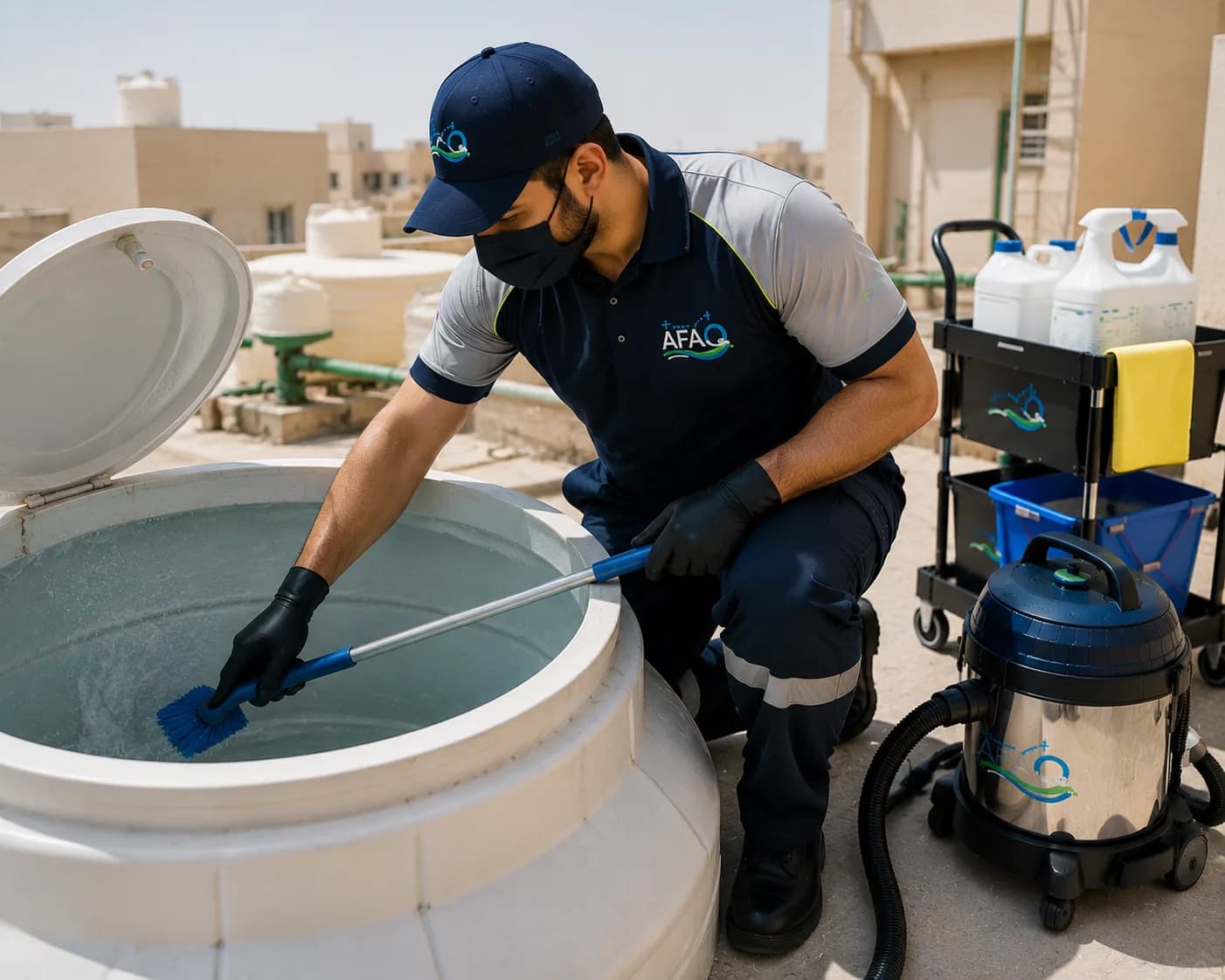
Your water tank is the source of the water you use every day for drinking, cooking, and bathing — yet it's one of the most neglected parts of a home when it comes to regular maintenance. Many families only think about cleaning their tank after noticing a change in the water's color, smell, or taste, by which point the issue has usually been building for a while. This guide explains why water tanks need genuine, regular cleaning — not just attention when a visible problem appears.
Even well-sealed tanks aren't fully immune. Over time, natural sediment builds up from the water itself, small amounts of dust can enter through vents, and algae or bacteria can grow in the tank's dark, humid environment — especially accelerated by the region's hot climate. This gradual buildup means water quality can decline without anyone noticing a sudden change.
Water stored in an unclean tank can carry sediment and microbes that affect general health, particularly for children, the elderly, and those with weaker immunity. Even if water looks visually clear, that doesn't necessarily mean it's free of microbial contamination — which is exactly why preventive, regular cleaning matters, rather than relying on visual observation alone.
There's no one-size-fits-all rule; it depends on the tank type, size, and usage pattern. As a general principle, scheduling regular preventive cleaning is better than waiting for an obvious problem — preventive cleaning is simpler and less involved than addressing accumulated contamination. Our team can assess the right schedule for your tank once we know its type and size.
Any one of these is worth an immediate check, even if mild.
The tank is fully drained and inspected inside to assess sediment level and overall condition.
Sediment and algae are removed from the tank's walls and base using equipment designed for this purpose.
The tank is thoroughly rinsed to remove any residue, then sterilized using approved materials safe for drinking water storage.
The tank is refilled once its full cleanliness and readiness for safe use is confirmed.
Villa tanks are usually individual, dedicated to a single property, while residential building tanks may be shared across multiple units — meaning maintenance quality affects a larger number of residents. In both cases, regular inspection and cleaning matter equally — only the coordination differs (individual owner vs. building management).
How often is water tank cleaning recommended per year?
It depends on tank type and usage pattern — the right schedule can be set after a direct assessment of your tank's condition.
Does cleaning affect water supply during the service?
There may be a temporary interruption during draining and cleaning; the technician confirms the expected timeline before starting work.
What's the difference between cleaning and sterilization?
Cleaning removes visible sediment and algae, while sterilization targets unseen microbes using approved materials — a professional service includes both.
Do plastic tanks need cleaning more often than metal tanks?
Both types need regular cleaning; tank type affects the cleaning method more than it affects how often it's needed.
Tell us what's going on and we'll follow up with a plan and a quote.
Cleaning & Pest Control
Regular cleaning keeps a home tidy, but deep cleaning reaches what daily routines miss. Here's a realistic frequency guide, room by room.
Read article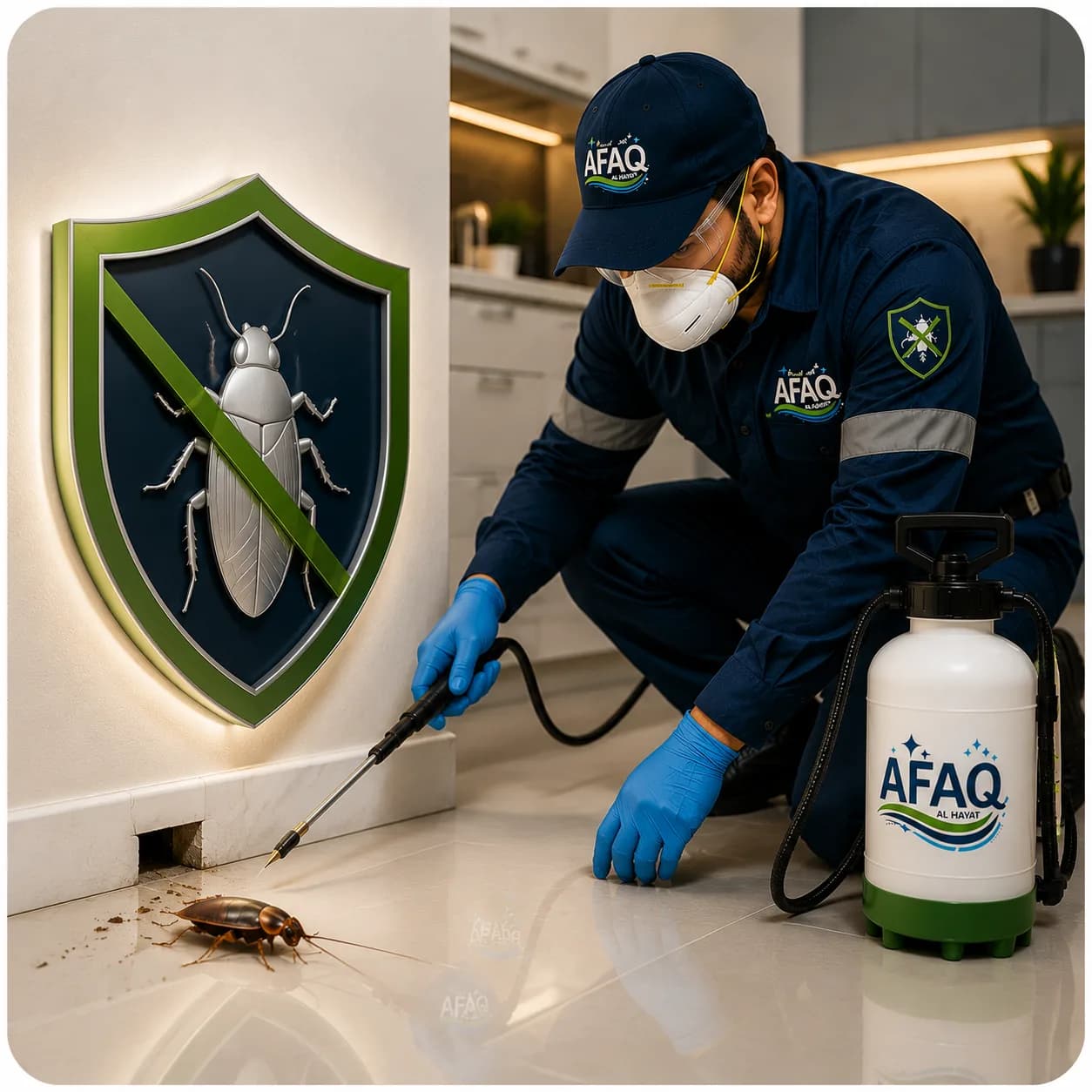
Cleaning & Pest Control
By the time pests are visible during the day, an infestation is often already established. These are the quieter signs worth watching for.
Read article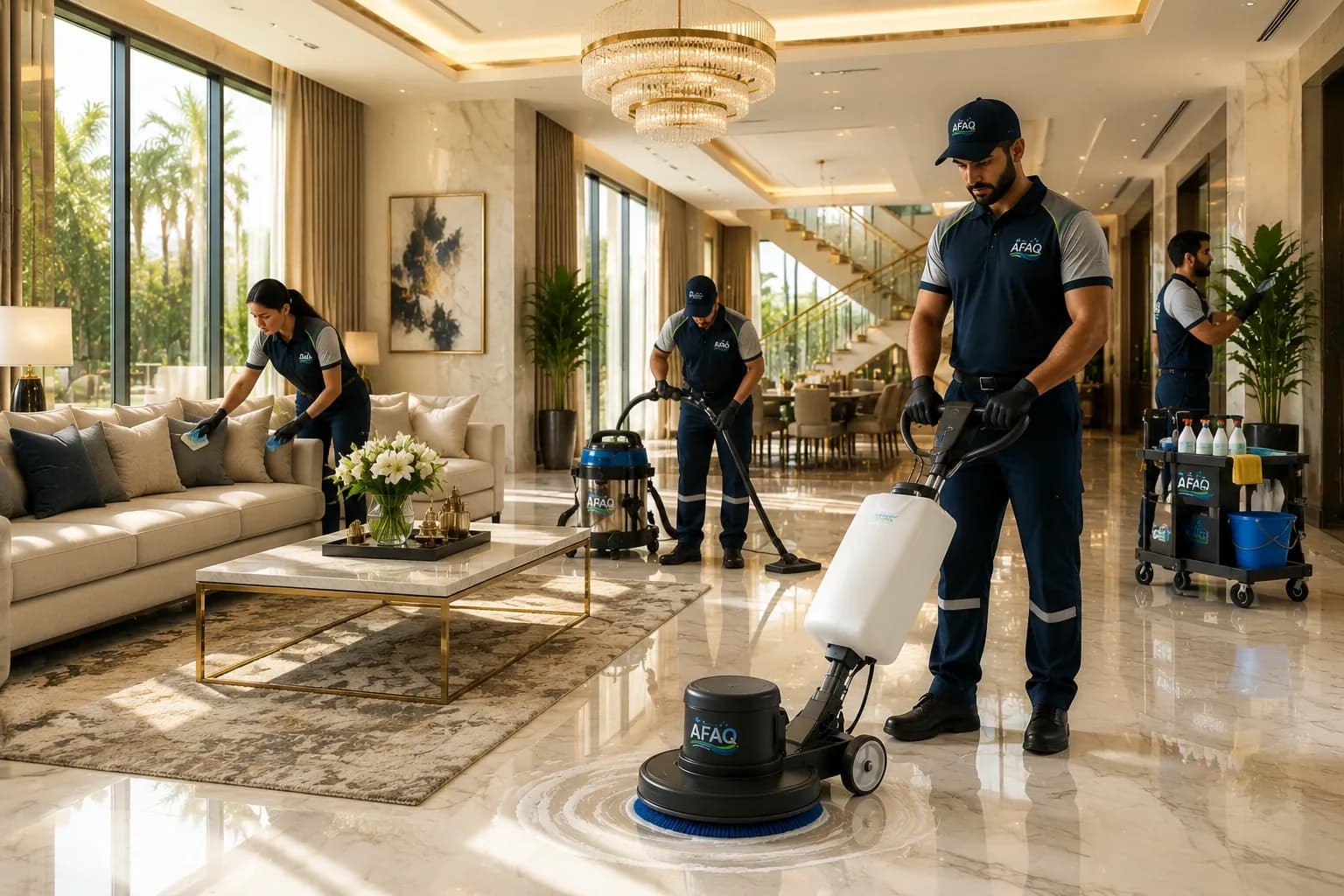
Cleaning & Pest Control
The two terms get used interchangeably, but they cover different work. Here's how to tell which one your home actually needs.
Read articleWe use a strictly necessary cookie to keep you signed in. With your permission, we may also use analytics cookies to understand how this site is used. See our Cookie Policy for details.