

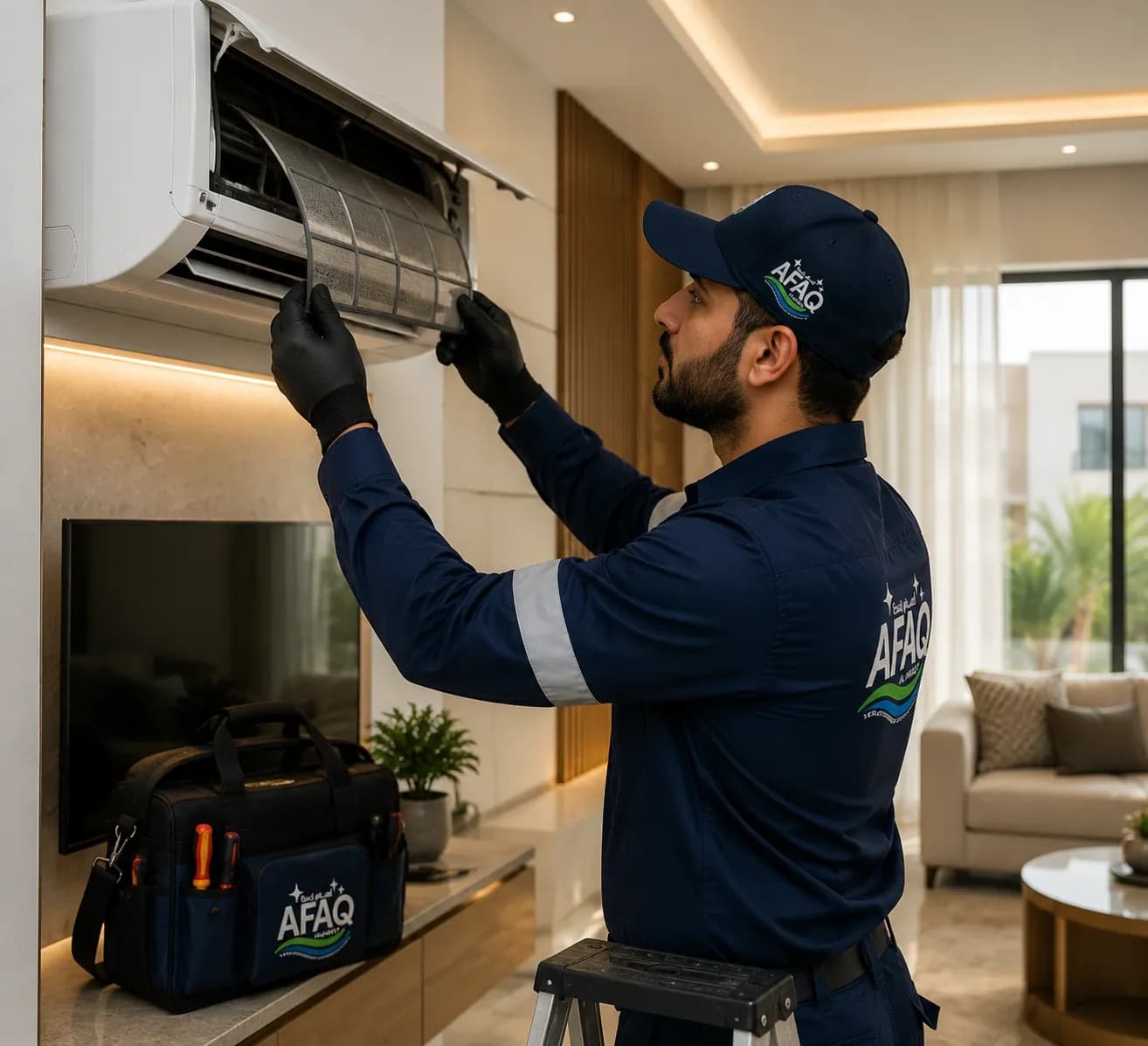
General Maintenance
Signs Your AC Needs Maintenance Before Summer
Weak airflow, strange noises, and rising bills are early warning signs. Here's what to check before the peak-heat season puts real strain on your system.
Read articleGeneral Maintenance
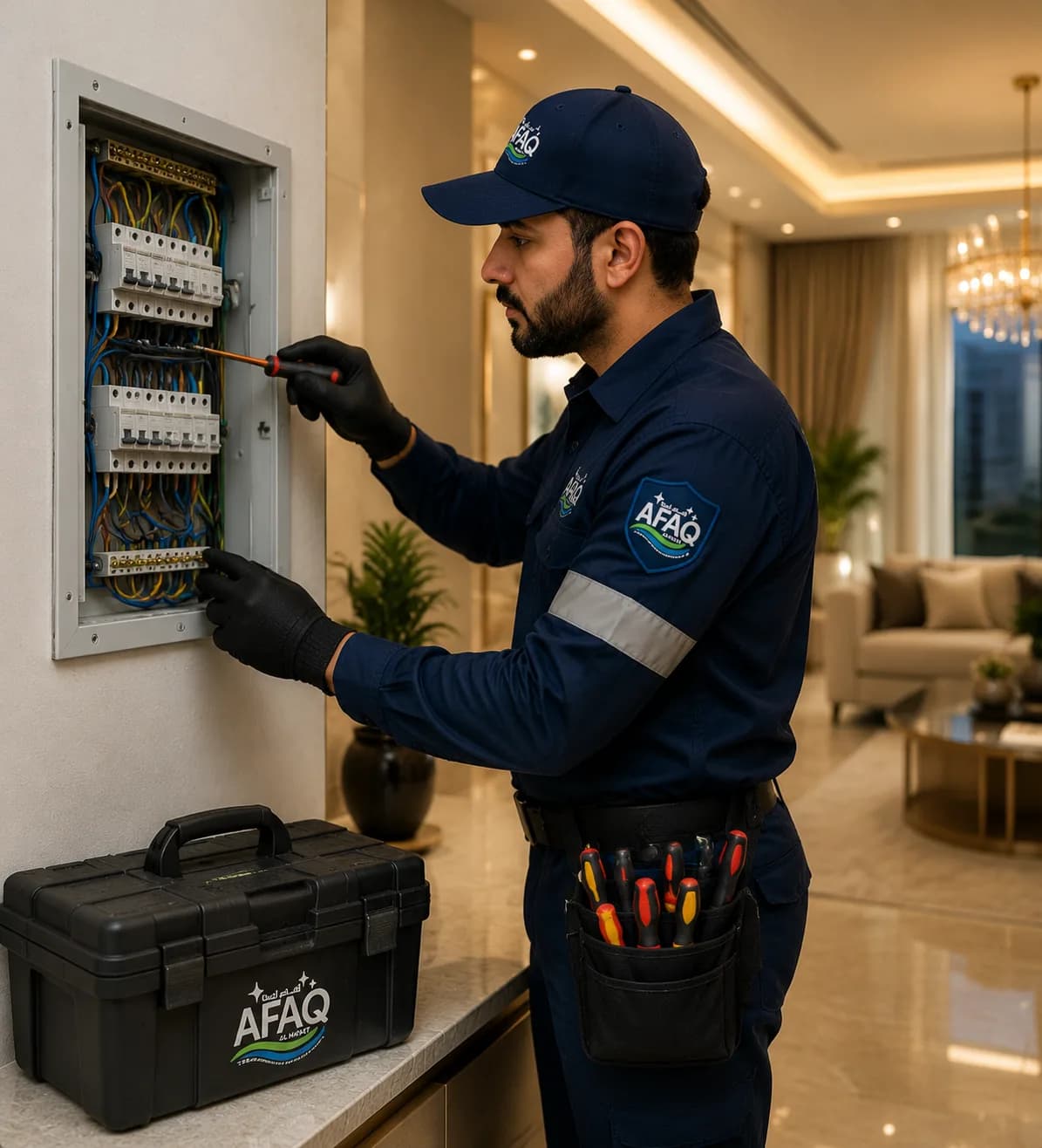
Unlike other maintenance issues, electrical problems aren't just a functional inconvenience — they're a direct safety matter for you, your family, and your home. This guide covers the electrical warning signs you should never ignore, and why safety must be the top priority in any electrical work.
Electricity, unlike a simple water leak or drain blockage, carries genuine risk if left unaddressed correctly — from electric shock to fire risk in severe cases. This fundamental difference means electrical issues deserve extra caution not necessarily applied to other types of home problems.
This guide, and any content from AFAQ AL HAYAT, never provides instructions for DIY repair of live electrical work. Electricity is fundamentally different from most other home maintenance tasks in terms of immediate safety risk, and any untrained intervention can turn a small problem into a genuine hazard. The only responsible guidance here is contacting a qualified electrician the moment any warning sign appears.
Often the starting point for diagnosing any widespread or recurring electrical issue.
Careful tracing of the affected circuit to find the root cause, not just the visible symptom.
Carrying out the repair per standard safety practice, with appropriate tools and equipment.
Confirming the system is stable after the repair and no risk remains.
Is repeated power loss to part of the home dangerous?
It deserves an immediate check — it can indicate an overload or a breaker/wiring issue, and repeatedly ignoring it can increase risk.
When is replacing a breaker enough, and when does it need a deeper check?
This is specifically a decision a qualified technician should make after a direct inspection, not one made randomly without diagnosis.
Tell us what's going on and we'll follow up with a plan and a quote.
General Maintenance
Weak airflow, strange noises, and rising bills are early warning signs. Here's what to check before the peak-heat season puts real strain on your system.
Read article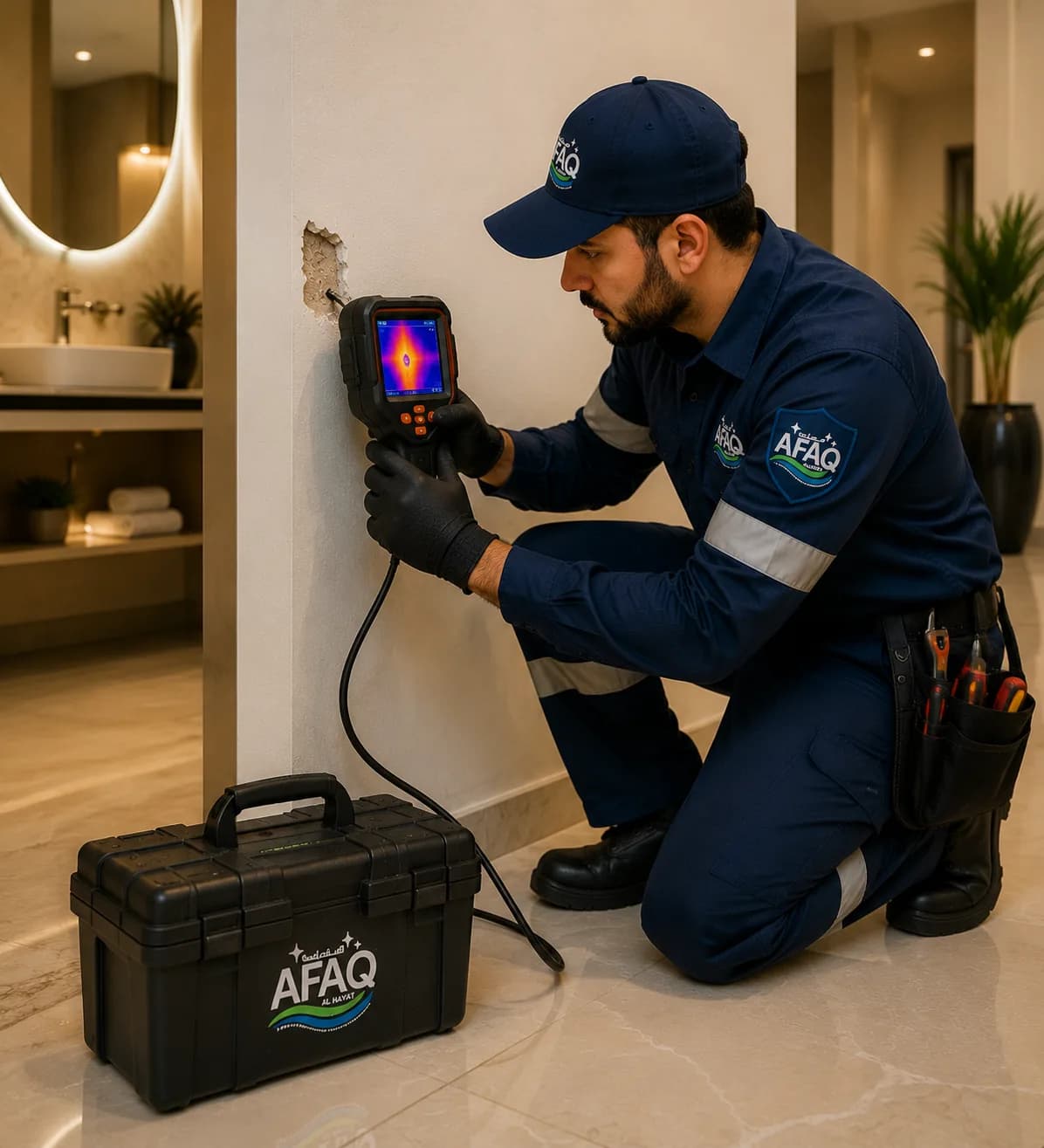
General Maintenance
A leak behind a wall or under a floor can go unnoticed for weeks. These are the practical signs worth checking regularly.
Read article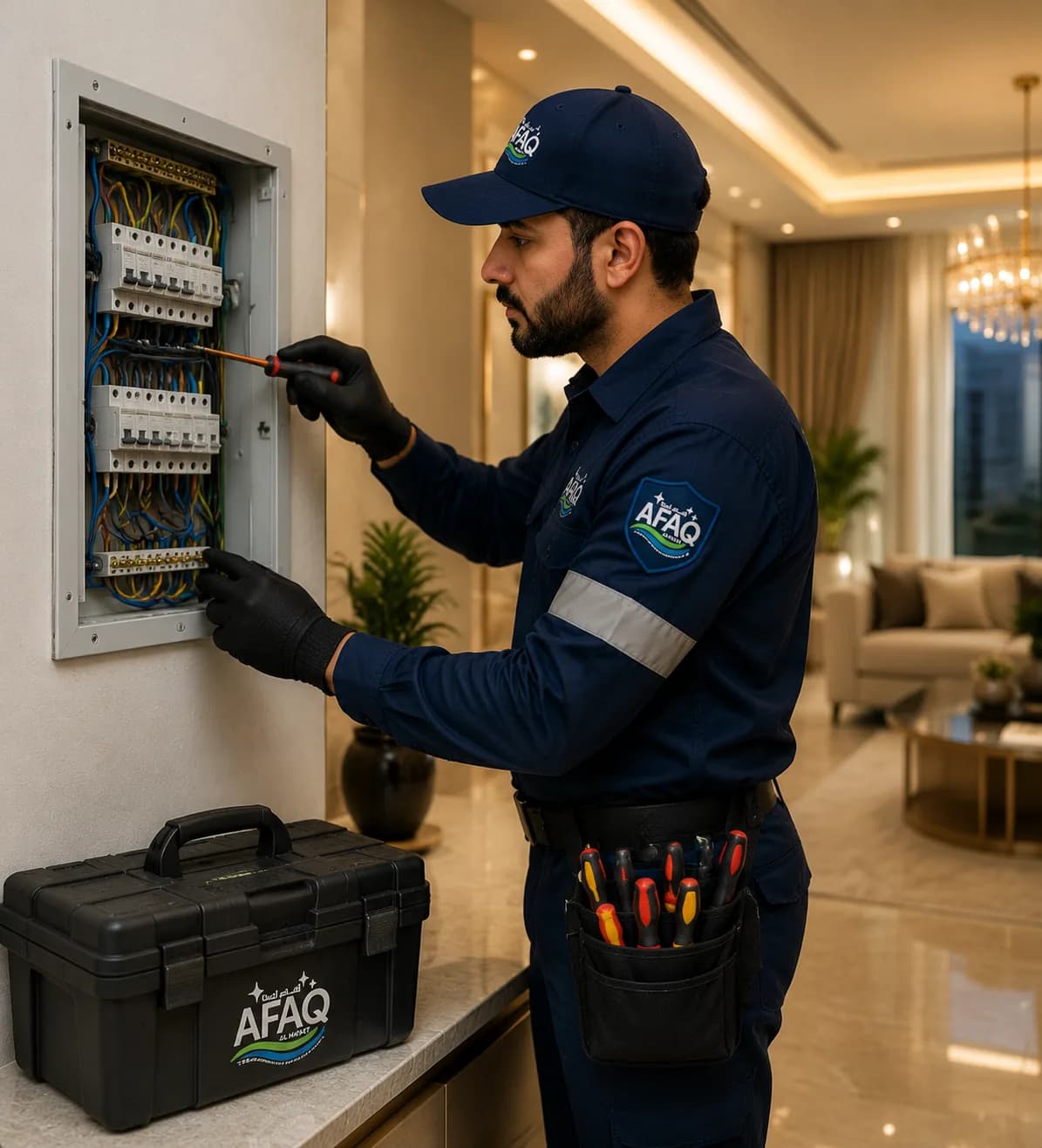
General Maintenance
Flickering lights and warm outlets aren't just minor annoyances — they can point to a real electrical issue. Here's what to watch for.
Read articleWe use a strictly necessary cookie to keep you signed in. With your permission, we may also use analytics cookies to understand how this site is used. See our Cookie Policy for details.