

General Maintenance
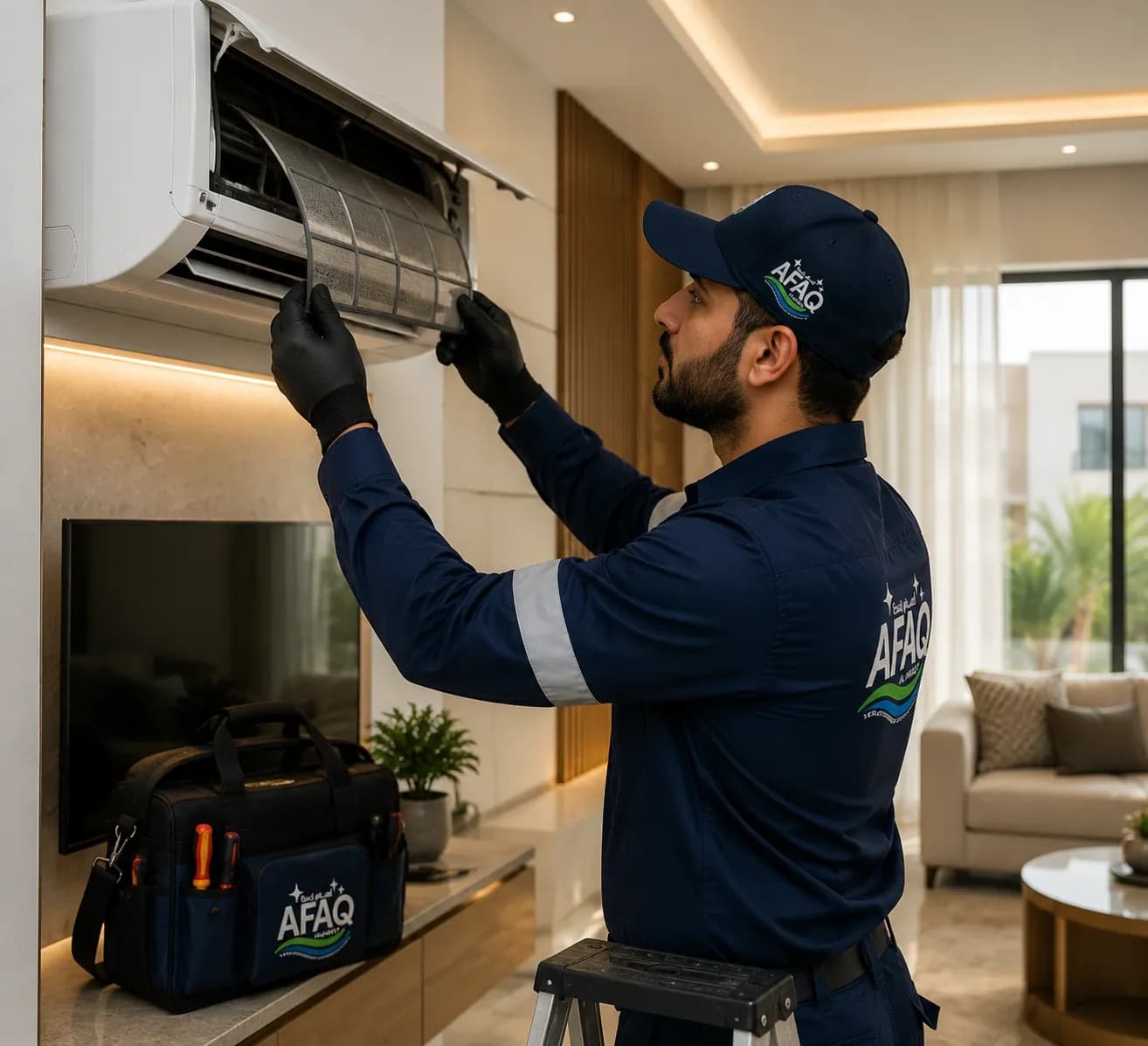
Signs Your AC Needs Maintenance Before Summer
Weak airflow, strange noises, and rising bills are early warning signs. Here's what to check before the peak-heat season puts real strain on your system.
Read articleGeneral Maintenance
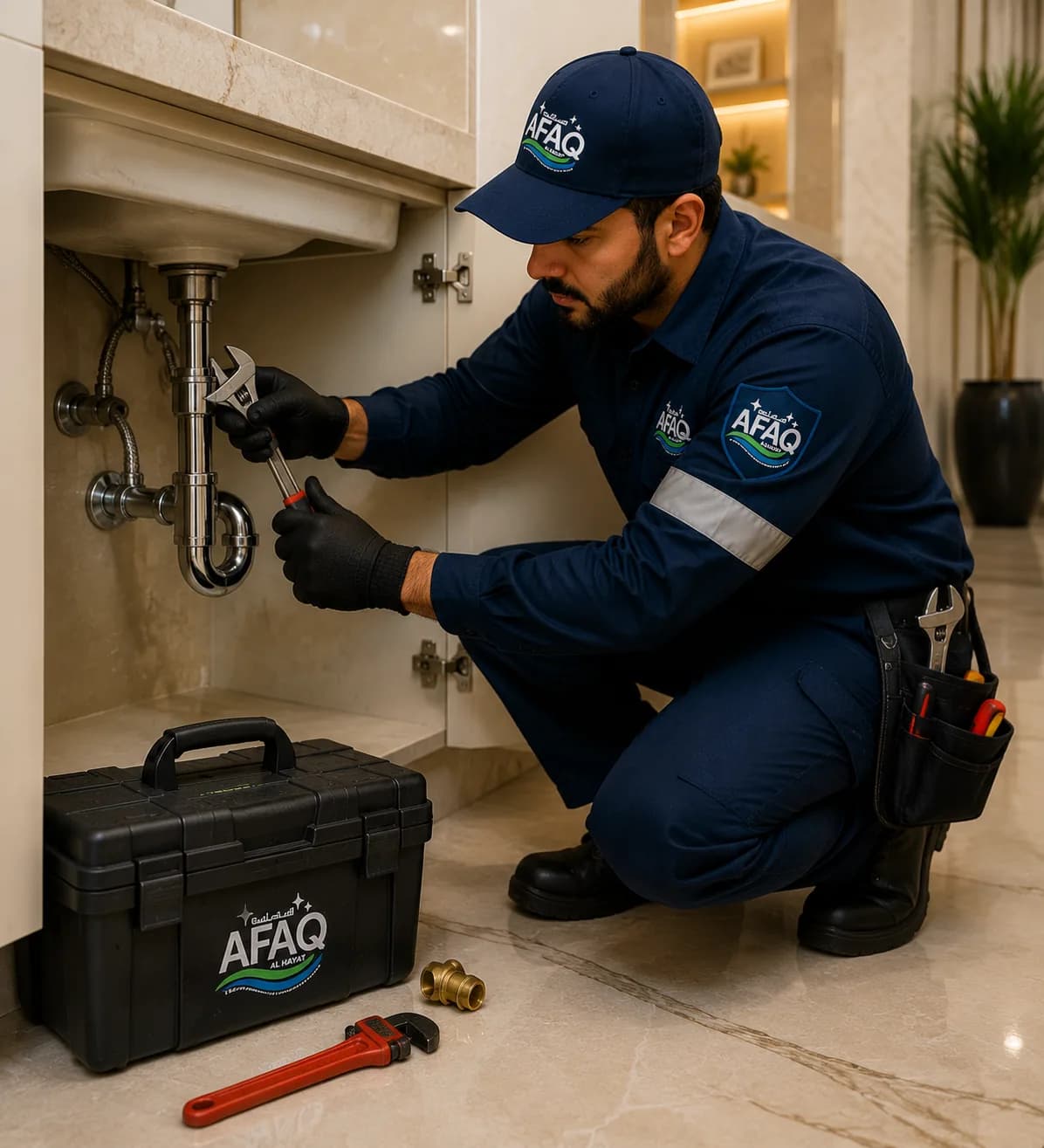
From an annoyingly dripping faucet to a sudden drop in water pressure, plumbing problems are among the most common household issues — and also among the most varied in urgency. This guide covers the most common plumbing issues in homes, and how to tell what can wait for a scheduled visit from what needs immediate attention.
Issues involving an active leak, potential flooding, or a complete water supply cut need prompt attention. Mild pressure loss or a slowly dripping faucet can usually be scheduled without much concern, as long as the situation doesn't suddenly worsen.
A slowly dripping faucet might seem unimportant, but over time it wastes a significant amount of water and increases wear on surrounding fittings. An ignored slow drain can turn into a full blockage at an inconvenient time. The core issue with putting off small plumbing fixes is that they rarely resolve themselves — they gradually worsen until they're bigger and costlier to fix.
The technician starts with an accurate diagnosis of the actual source of the problem, not just the visible symptom (like understanding why pressure is low instead of randomly replacing parts). After diagnosis, the appropriate repair is carried out, followed by a final check to confirm the issue is genuinely resolved and unlikely to recur soon.
Is low water pressure always a pipe problem?
Not always — the cause could be a specific valve, local sediment, or sometimes a broader building network issue; a direct diagnosis identifies the actual cause.
When should a small leak be treated as an emergency?
When the leak is active and ongoing in a way that threatens immediate water damage, or when there's a complete water supply cut.
Tell us what's going on and we'll follow up with a plan and a quote.
General Maintenance
Weak airflow, strange noises, and rising bills are early warning signs. Here's what to check before the peak-heat season puts real strain on your system.
Read article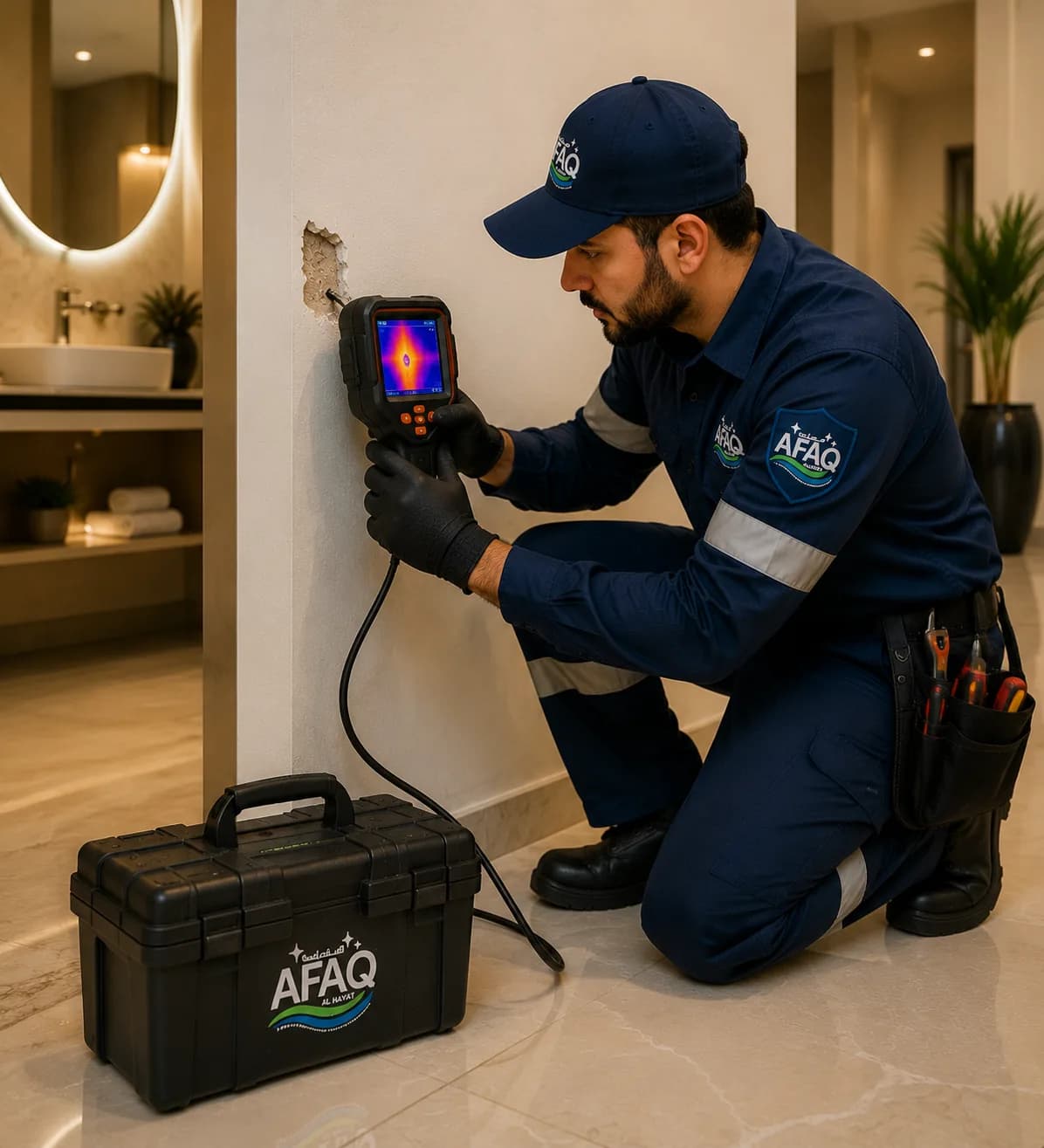
General Maintenance
A leak behind a wall or under a floor can go unnoticed for weeks. These are the practical signs worth checking regularly.
Read article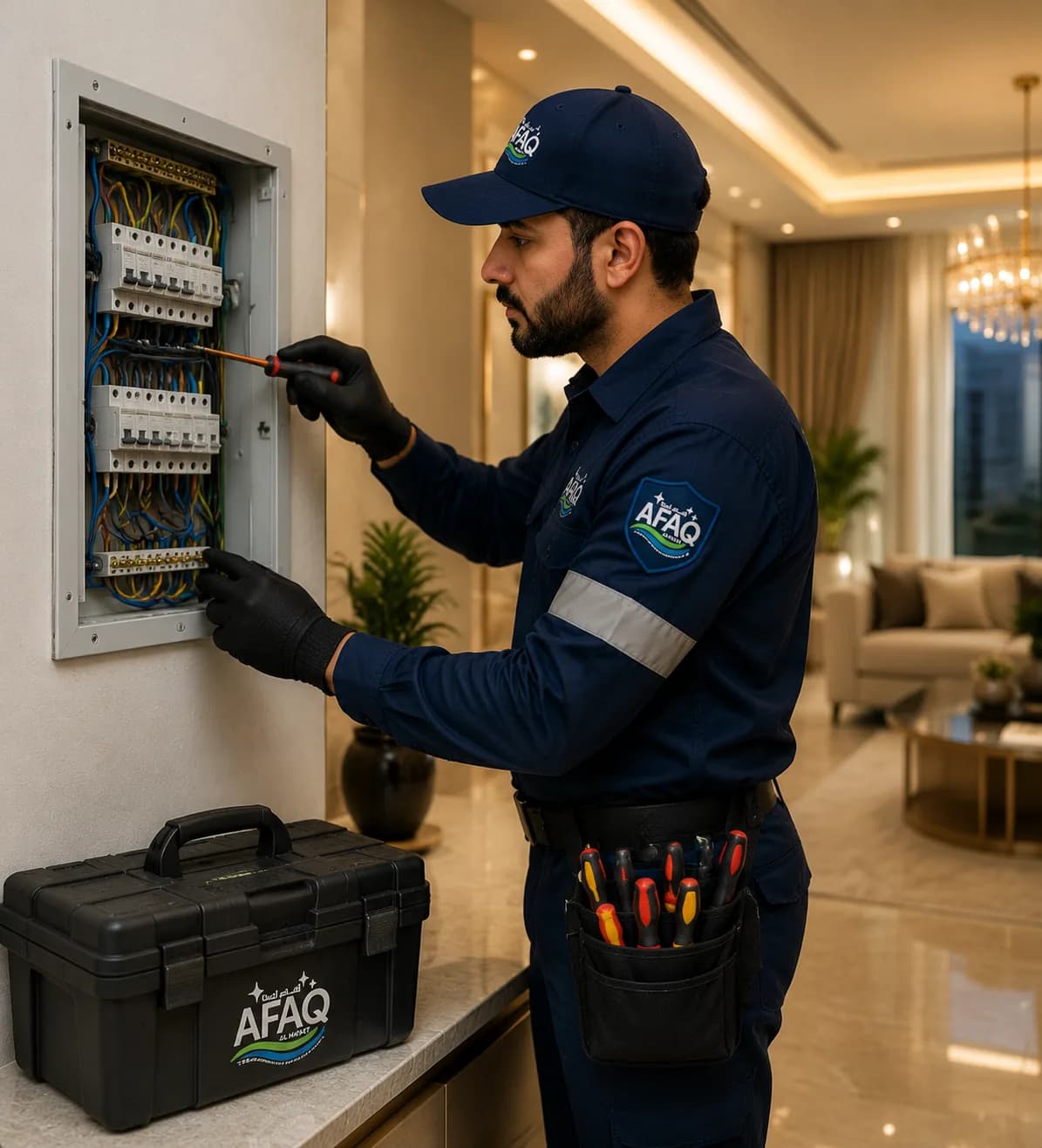
General Maintenance
Flickering lights and warm outlets aren't just minor annoyances — they can point to a real electrical issue. Here's what to watch for.
Read articleWe use a strictly necessary cookie to keep you signed in. With your permission, we may also use analytics cookies to understand how this site is used. See our Cookie Policy for details.