

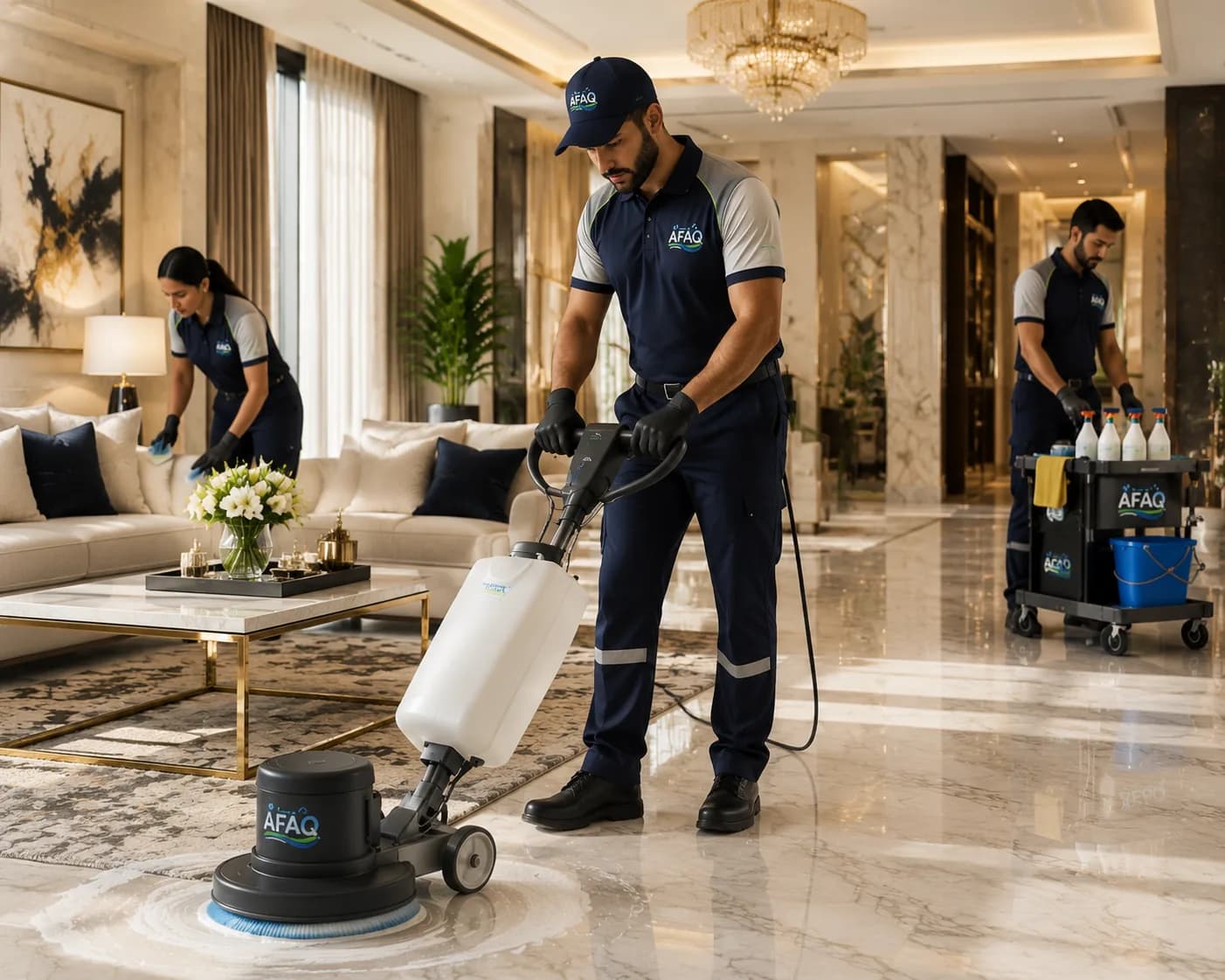
Cleaning & Pest Control
How Often Should You Deep Clean Different Areas of Your Home
Regular cleaning keeps a home tidy, but deep cleaning reaches what daily routines miss. Here's a realistic frequency guide, room by room.
Read articleCleaning & Pest Control

"Prevention beats cure" isn't just a common phrase when it comes to pest control — it's the real difference between a home facing recurring pest issues every few months and one that stays protected for extended periods. This guide covers the difference between DIY and professional treatment, and why routine inspection is a smarter investment than waiting for a problem to appear.
Most pest problems don't start suddenly — they start with a small colony or a single entry point that grows gradually unnoticed. By the time a problem is visible to the naked eye, it has usually moved past a "quick fix" stage into something needing more involved treatment, possibly across more than one visit. Routine preventive inspection catches these early stages before they become a bigger problem.
This comparison isn't an absolute rule — some simple, early-stage cases can be resolved with good household care — but it explains why problems keep recurring despite repeated DIY attempts.
Villas, due to direct soil contact and larger outdoor areas, benefit especially from regular inspection (at least once or twice a year). Apartments are relatively less exposed but not immune, especially in older buildings or those near outdoor food sources (restaurants, commercial areas).
Is a preventive check useful even if I haven't noticed a problem?
Yes — its main purpose is catching the early stages of a problem before it becomes visible, not waiting for it to appear.
How often is a preventive home check recommended?
At least once or twice a year, with more frequent checks for villas or properties near potential infestation sources.
Tell us what's going on and we'll follow up with a plan and a quote.
Cleaning & Pest Control
Regular cleaning keeps a home tidy, but deep cleaning reaches what daily routines miss. Here's a realistic frequency guide, room by room.
Read article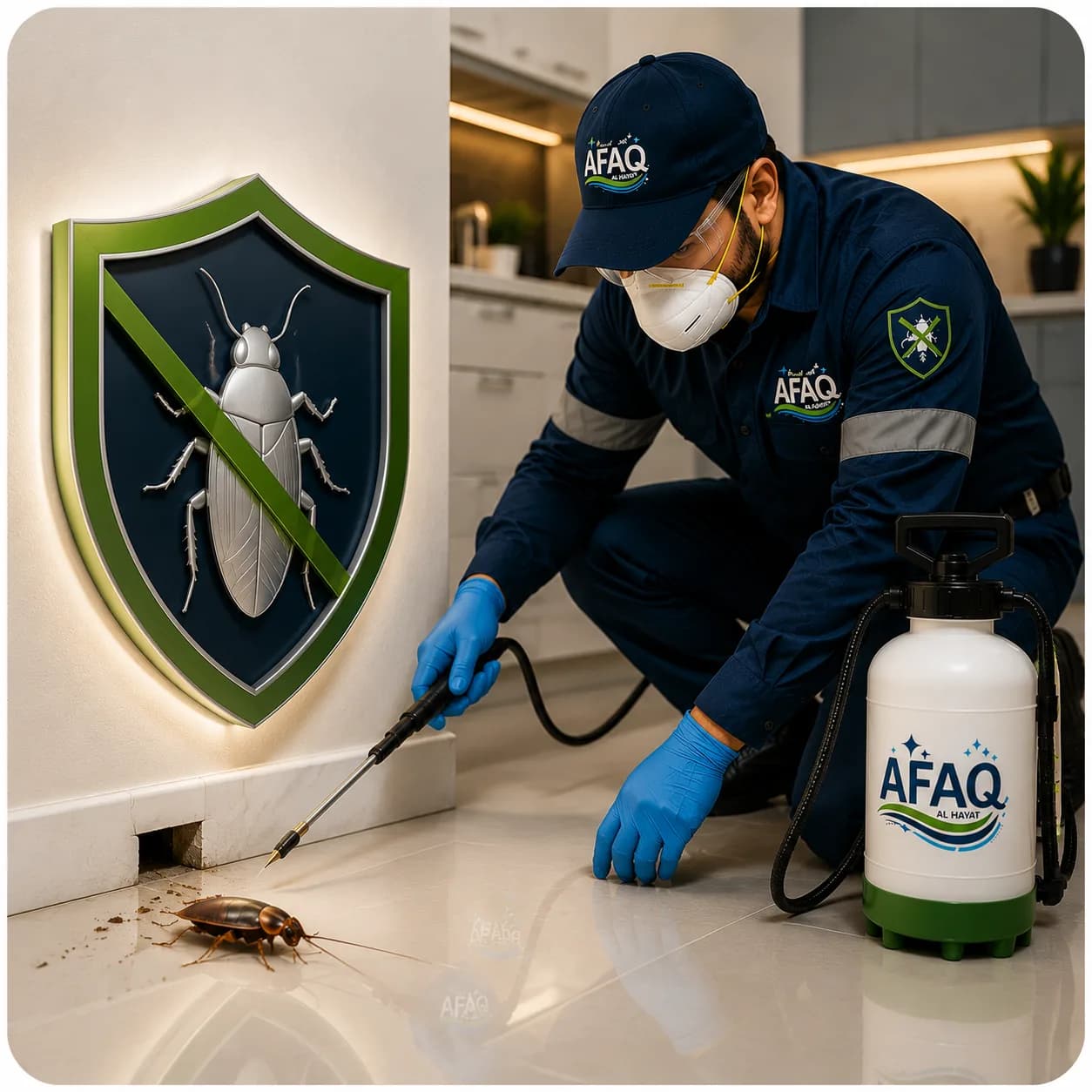
Cleaning & Pest Control
By the time pests are visible during the day, an infestation is often already established. These are the quieter signs worth watching for.
Read article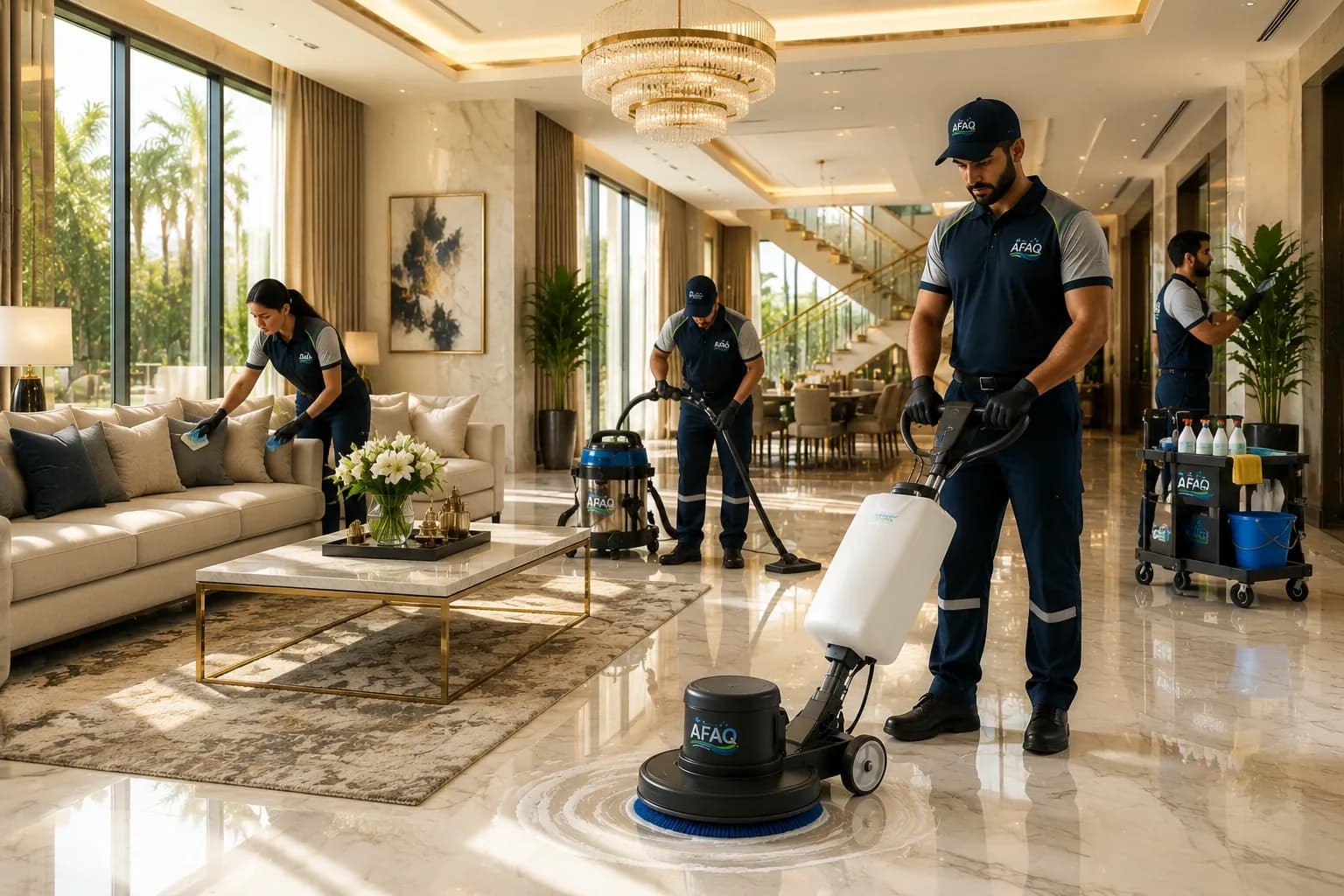
Cleaning & Pest Control
The two terms get used interchangeably, but they cover different work. Here's how to tell which one your home actually needs.
Read articleWe use a strictly necessary cookie to keep you signed in. With your permission, we may also use analytics cookies to understand how this site is used. See our Cookie Policy for details.