


Cleaning & Pest Control
How Often Should You Deep Clean Different Areas of Your Home
Regular cleaning keeps a home tidy, but deep cleaning reaches what daily routines miss. Here's a realistic frequency guide, room by room.
Read articleCleaning & Pest Control

Bed bugs are among the hardest household pests to catch early — they're small, hide in the tightest gaps during the day, and rarely show themselves unless you're actively looking. Most people don't discover them until a few scattered bugs have become a real infestation spreading across more than one room. This guide covers the early signs, how bed bugs actually spread, and what professional treatment looks like.
Bed bugs are small, brown insects, roughly the size of an apple seed, that feed on human blood while you sleep. They don't fly or jump, but they move quickly and hide in mattress seams, bed frame joints, and small gaps in furniture near sleeping areas. They're primarily active at night — which is exactly why early detection is so difficult; an infestation can live in one spot for weeks before anyone notices.
Before jumping to conclusions, it helps to know the difference between a bed bug bite and any other skin irritation. The clearest signs include:
A single bite doesn't necessarily mean an infestation, but a repeated combination of these signs is a strong indicator worth a professional inspection.
Contrary to common belief, bed bugs have nothing to do with how clean a home is — they spread through incidental transport. The most common ways:
This means any home — however clean and tidy — can be affected, and the cause has nothing to do with cleanliness.
Bed bugs are among the most treatment-resistant household pests. Off-the-shelf sprays may kill visible bugs but rarely reach every gap where eggs and juveniles hide. Some strains have also developed resistance to certain commercially available insecticides. The typical outcome of DIY attempts: a temporary dip, then the infestation returns within weeks.
This pest genuinely needs professional pest control services that combine careful inspection, targeted treatment, and follow-up.
The technician examines the mattress, bed frame, nearby furniture, and even gaps in walls close to the bedroom to accurately gauge the extent of the infestation.
Treatment is applied to actual hiding points — mattress seams, furniture joints, gaps — not just exposed surfaces, to reach as many bugs and eggs as possible.
Given the bed bug life cycle and how difficult full elimination can be in a single visit for some cases, the technician may recommend a follow-up visit to confirm the infestation is fully resolved.
Approved treatment materials are used per their documented instructions, and the technician explains any precautions needed during and after treatment — such as ventilating the room for a set period before using it again. These are standard safety practices in any responsible pest control service.
How do I tell a bed bug bite from another insect bite?
A linear or clustered bite pattern, along with small blood spots on bedding, is one of the clearest indicators — but a direct inspection is the only sure way to confirm.
How many visits does it take to fully eliminate bed bugs?
It varies by infestation size; the technician outlines the right plan after the first inspection.
Do I need to get rid of the mattress after an infestation?
Not necessarily in most cases — targeted professional treatment is usually effective without replacing the mattress, but the technician assesses each case individually.
Can bed bugs spread between apartments in the same building?
Rare, but possible in certain cases, especially through shared walls — which is why a thorough inspection matters even if the problem seems confined to one room.
How long until treatment shows full results?
Most customers notice a clear reduction within the first few days, with full results over the following weeks depending on the treatment plan.
Tell us what's going on and we'll follow up with a plan and a quote.
Cleaning & Pest Control
Regular cleaning keeps a home tidy, but deep cleaning reaches what daily routines miss. Here's a realistic frequency guide, room by room.
Read article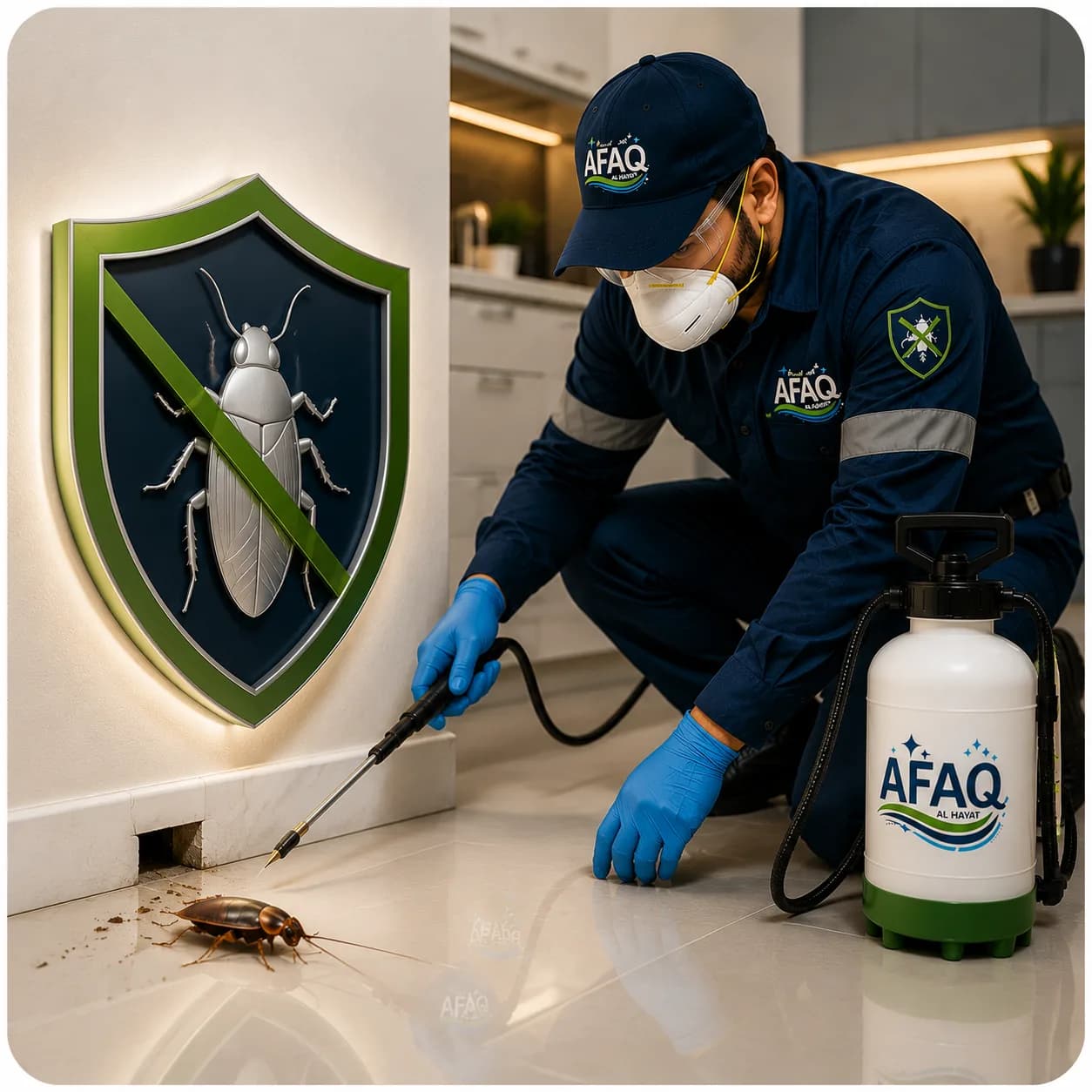
Cleaning & Pest Control
By the time pests are visible during the day, an infestation is often already established. These are the quieter signs worth watching for.
Read article
Cleaning & Pest Control
The two terms get used interchangeably, but they cover different work. Here's how to tell which one your home actually needs.
Read articleWe use a strictly necessary cookie to keep you signed in. With your permission, we may also use analytics cookies to understand how this site is used. See our Cookie Policy for details.